


Circadian Lighting & Acoustic Softness The Science of Neuro-Architecture in Sydney Homes
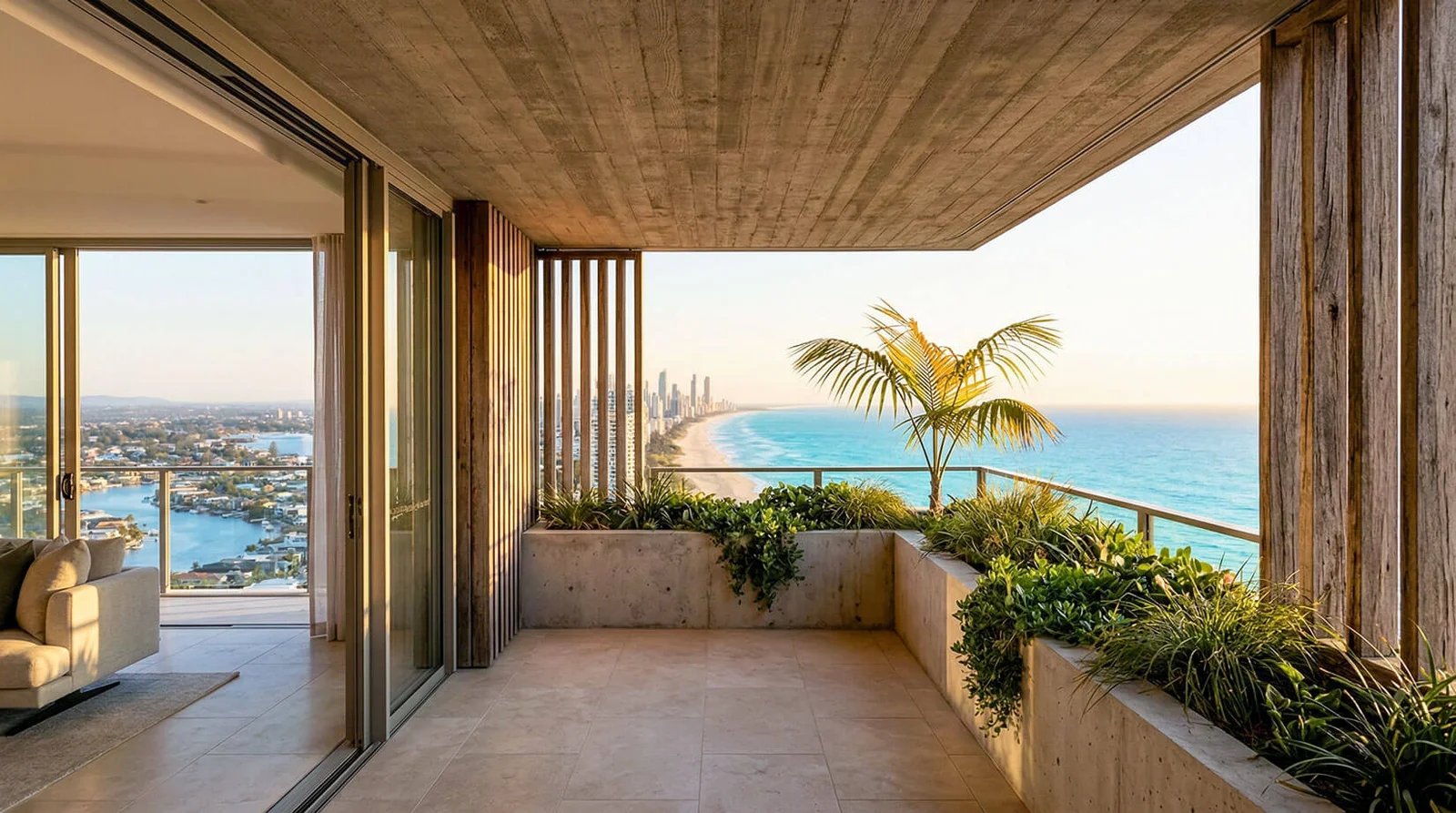
The human brain processes approximately 11 million bits of information every second, yet we're consciously aware of only about 40. This staggering gap reveals something profound: most of our environmental interactions happen beneath conscious awareness. For Sydney homeowners and architects, this neuroscience finding has sparked a revolutionary approach to residential design—one that acknowledges our homes aren't just shelter, but active participants in our neurological wellbeing.
Neuro-architecture, the intersection of neuroscience and built environments, has moved from academic theory to practical application across Australia's harbour city. Modern House Design Sydney practitioners are increasingly incorporating circadian lighting systems and acoustic management strategies that work with, rather than against, our biological programming. Unlike conventional design trends that prioritise aesthetics alone, this evidence-based approach considers how light wavelengths, sound frequencies, and spatial geometry influence everything from our sleep hormones to our stress responses.
The stakes are higher than many realise. Australians spend roughly 90% of their time indoors, with our homes serving as the primary environment for restoration and family connection. Yet most residential spaces were designed without consideration for how architectural decisions affect cortisol levels, melatonin production, or cognitive performance. The result? Homes that might look stunning on Instagram but inadvertently contribute to sleep disorders, heightened anxiety, and reduced mental clarity.
Understanding Circadian Lighting: More Than Just Bright or Dim
Your body's internal clock—the circadian rhythm—doesn't operate on your schedule. It responds to environmental light cues, specifically the colour temperature and intensity of photons hitting specialised photoreceptors in your retina. These aren't the rods and cones responsible for vision, but intrinsically photosensitive retinal ganglion cells (ipRGCs) that communicate directly with the suprachiasmatic nucleus, your brain's master clock.
Here's where conventional Sydney homes often fail their occupants: Standard LED downlights emit consistent 5000K cool white light throughout the day—fine for task visibility, problematic for biological function. Research from the Lighting Research Center at Rensselaer Polytechnic Institute demonstrates that exposure to blue-enriched light (above 4000K) after sunset suppresses melatonin production by up to 50%, delaying sleep onset by an average of 90 minutes.
The Circadian Lighting Solution:
Effective circadian lighting systems mirror the sun's natural progression:
- Dawn simulation (6:00-9:00 AM): Gradual increase from 2000K warm amber to 4000K neutral white, triggering cortisol release and promoting alertness
- Midday peak (10:00 AM-3:00 PM): Maximum intensity at 5000-6500K, enhancing focus, mood, and vitamin D synthesis
- Afternoon transition (3:00-6:00 PM): Gradual reduction in blue spectrum light
- Evening wind-down (6:00 PM-10:00 PM): Shift to 2200-2700K warm tones, supporting melatonin production
- Night-time (10:00 PM onwards): Minimal amber/red lighting below 1800K
Sydney-based architectural firm Breathe Architecture implemented this approach in a Mosman renovation, installing tunable white LED systems controlled by astronomical timers that adjust automatically based on Sydney's latitude-specific sunrise and sunset times. The homeowners reported a 40% improvement in sleep quality scores within three weeks, measured using wearable sleep trackers.
The Physics of Acoustic Softness: Designing for Neurological Calm
Sound doesn't simply enter our ears and stop. Acoustic vibrations trigger a complex neurological cascade: the cochlea converts mechanical waves into electrical signals, the auditory cortex processes these inputs, and—crucially—the amygdala evaluates whether each sound represents threat or safety. This happens automatically, constantly, and exhaustingly.
The average Sydney home generates what acousticians call a "hard" sound environment. Polished concrete floors, glass splashbacks, smooth plasterboard walls, and open-plan layouts create excessive reverberation times (RT60 values above 0.8 seconds in living spaces). Every footstep, dish clink, and conversation reflects multiple times before decaying, creating an ambient noise floor that elevates baseline stress hormones.
Dr. Bridget Shield's research at London South Bank University quantified this impact: residents in acoustically hard environments showed cortisol levels 23% higher than those in acoustically softened spaces, along with measurably reduced cognitive performance on complex tasks. The constant, subtle activation of the amygdala's threat-detection system doesn't feel dangerous—it just feels vaguely draining.
Acoustic Softening Strategies for Sydney Homes:
Absorption through material selection:
- Timber flooring (preferably wider planks) over concrete or tile
- Fabric-wrapped acoustic panels strategically placed at first reflection points
- Upholstered furniture with exposed fabric surface area
- Heavy curtains or acoustic blinds on windows
- Wool or high-pile rugs covering at least 40% of floor area in living spaces
Diffusion through geometric complexity:
- Bookshelves filled with varied-sized volumes create excellent high-frequency diffusion
- Textured wall treatments (timber slat panels, 3D tiles, exposed brick)
- Coffered or raked ceilings rather than flat planes
- Plants (particularly larger specimens with varied leaf sizes)
Strategic spatial planning:
- Buffer zones between high-activity areas (kitchens, play spaces) and rest zones (bedrooms, studies)
- Acoustic doors with proper seals between zones
- Hallways and corridors designed as acoustic transition spaces
A Balmain terrace renovation by award-winning designer Sarah Lake incorporated these principles by installing Australian hardwood flooring, adding fabric-wrapped acoustic panels behind floating shelving, and introducing a library wall of varied-depth bookshelves. Acoustic measurements showed reverberation time reduced from 1.2 seconds to 0.45 seconds—within the optimal range for residential comfort. Residents reported the home felt "calmer" and "easier to think in," despite no other changes.
The Neuroscience Behind the Comfort: What's Actually Happening in Your Brain
Understanding why these interventions work requires examining the brain's predictive processing model. Your brain isn't a passive receiver of sensory information—it's a prediction engine constantly generating models of what it expects to experience, then comparing incoming data against those predictions. Mismatches create "prediction errors" that demand cognitive resources to resolve.
Natural environments—forests, beaches, the landscapes humans evolved within—feature fractal patterns, gradually changing light, and complex acoustic absorption. Our neural prediction models are optimised for these inputs. When we introduced ourselves to boxes made of hard, smooth, uniformly lit materials, we created environments that generate constant low-level prediction errors.
Professor Colin Ellard's research at the University of Waterloo demonstrated this using mobile EEG measurements: participants walking through acoustically hard, uniformly lit corridors showed increased frontal cortex activity (associated with cognitive effort) and reduced alpha wave activity (associated with relaxed attention) compared to acoustically soft, dynamically lit spaces. The difference wasn't dramatic—but it was constant, hour after hour, day after day.
Practical Implementation: Making It Work in Real Sydney Homes
Theory becomes valuable only through application. Here's how Sydney homeowners and renovators are implementing neuro-architectural principles within the constraints of real budgets, existing structures, and Australian building codes.
Budget-Conscious Starting Points (Under $3,000):
- Replace standard LEDs with tunable white bulbs in primary living spaces and bedrooms. Philips Hue, LIFX, and Yeelight offer options ranging from $30-$90 per bulb. Focus on rooms where you spend the most time.
- Add absorption through soft furnishings. Quality wool rugs, heavy linen curtains, and upholstered pieces dramatically improve acoustic comfort. Melbourne-based company Autex Acoustics offers DIY acoustic panels starting at $45 per square metre.
- Create a "sunset pathway" in your home by using warmer bulbs (2700K) in hallways and bedrooms, cooler bulbs (4000K) in kitchens and bathrooms. This creates spatial cues that support circadian rhythms without automation.
Mid-Range Renovations ($10,000-$30,000):
Integration during bathroom, kitchen, or extension projects offers the most cost-effective implementation point. Specify:
- Tunable white LED downlight systems (approximately $180-$350 per light including installation)
- Acoustic underlay beneath flooring ($25-$40 per square metre)
- One accent wall featuring acoustic timber slat panelling ($200-$400 per square metre installed)
- Automated control systems that adjust lighting based on time of day ($800-$2,500 for whole-home integration)
Comprehensive Applications (New Builds or Major Renovations):
Full neuro-architectural integration allows for structural acoustic management and integrated circadian systems from the foundation up:
- Acoustic ceiling design: Exposed timber beams, coffering, or suspended acoustic clouds (budget 8-12% of ceiling construction cost)
- Wall cavity acoustic insulation beyond thermal requirements
- Triple-glazed windows with acoustic laminate interlayers (approximately 40% premium over double-glazing)
- Circadian lighting systems integrated with home automation, including exterior-responsive sensors
- Acoustic floor constructions with floating floors and resilient underlays
Sydney architect James Grose implemented a complete neuro-architectural approach in a new Cremorne residence, achieving an RT60 of 0.35 seconds in living areas and automated circadian lighting throughout. The premium? Approximately 7% of total construction cost—comparable to upgrading appliances or adding premium fixtures.
The Evidence Base: What Research Actually Shows
Claims require data. The neuro-architectural movement has generated substantial research, though it's worth distinguishing between robust findings and speculative extrapolations.
Strong evidence supports:
- Light timing affects sleep: Multiple meta-analyses confirm that evening blue light exposure (>460nm wavelength) suppresses melatonin and delays sleep onset (Harvard Medical School, 2020)
- Acoustic comfort reduces stress: Studies measuring cortisol, heart rate variability, and self-reported stress consistently show improvements in acoustically optimised environments (Journal of Environmental Psychology, 2019)
- Lighting intensity affects mood: Systematic reviews demonstrate that higher intensity lighting (>1000 lux) during morning hours improves mood scores, particularly for seasonal affective disorder (American Journal of Psychiatry, 2021)
Emerging evidence suggests:
- Spatial acoustics affect cognitive performance: Several studies indicate that optimal reverberation times (0.4-0.6 seconds for residential spaces) improve concentration and reduce mental fatigue
- Natural light patterns support circadian health: Exposure to dynamic lighting that mimics solar patterns shows promise for improving sleep quality and daytime alertness, though long-term studies remain limited
Speculative claims requiring caution:
Some proponents claim neuro-architecture can treat clinical depression, cure insomnia, or eliminate anxiety. While environmental optimisation supports mental health, it's not a substitute for proper medical treatment. The evidence shows meaningful but modest improvements in wellbeing—worthwhile, but not miraculous.
Challenges and Considerations for Sydney's Climate and Context
Australia's intense sunlight and Sydney's specific latitude (33.8°S) create unique considerations for circadian lighting implementation.
Solar intensity management: Sydney receives approximately 2,600 hours of sunshine annually, with summer UV indices regularly exceeding 10. Homes require sophisticated solar control—external shutters, adjustable louvres, or electrochromic glass—to prevent excessive brightness that can actually disrupt circadian function. The goal isn't maximum light, but appropriate light at appropriate times.
Heritage constraints: Many of Sydney's most desirable suburbs feature heritage-listed terraces and cottages with restrictions on external modifications. Internal acoustic treatments become crucial when you can't modify walls or add double-glazing.
Open-plan tensions: The Australian preference for open-plan living creates acoustic challenges. Strategic zoning using furniture placement, partial-height walls, and ceiling-mounted acoustic treatments can define spaces acoustically without sacrificing visual openness.
Climate considerations: Sydney's humidity requires careful material selection for acoustic treatments. Fabric-wrapped panels need appropriate backing to prevent moisture damage; timber treatments benefit from proper sealing.
Future Directions: Where Neuro-Architecture Is Heading
The field continues evolving as research expands and technology improves. Emerging developments include:
Personalised circadian systems that adjust based on individual chronotypes (whether you're naturally a morning or evening person) rather than universal schedules.
Biophilic acoustic design incorporating water features, natural ventilation sounds, and material selections that create acoustically complex environments mimicking natural settings.
AI-driven adaptive environments that learn occupant patterns and adjust lighting, acoustics, and even spatial configurations based on predicted needs.
Integration with health monitoring where wearable devices communicate with home systems, adjusting environmental parameters based on measured stress levels, sleep quality, or activity patterns.
The Bottom Line: Is Neuro-Architecture Worth It?
For most Sydney homeowners, implementing basic circadian lighting and acoustic softening principles represents excellent value. The interventions are largely invisible, add genuine functionality, and create measurable improvements in daily comfort and long-term health.
Start with the bedroom—where you spend a third of your life and where circadian disruption has the most immediate impact. Add tunable lighting, incorporate acoustic absorption through soft furnishings and textured materials, and observe the effects over several weeks.
The science of neuro-architecture doesn't demand perfection. Even modest improvements to how light and sound behave in your home can reduce the constant, subtle stress that accumulates from environments working against your neurology. Your home should support your wellbeing, not tax it.
In a city as dynamic and demanding as Sydney, our homes serve as crucial recovery spaces. Designing them with our actual biological needs in mind isn't luxury—it's sensible stewardship of the one body and brain you'll inhabit for your entire life.

 Arabic
 French
 Spanish
 Portuguese
 Deutsch
 Turkish
 Dutch
Dutch
 Italiano
 Russian
 Romaian
 Portuguese (Brazil)
 Greek
Greek
