


When Should Businesses Upgrade to Custom ERP Software Development?
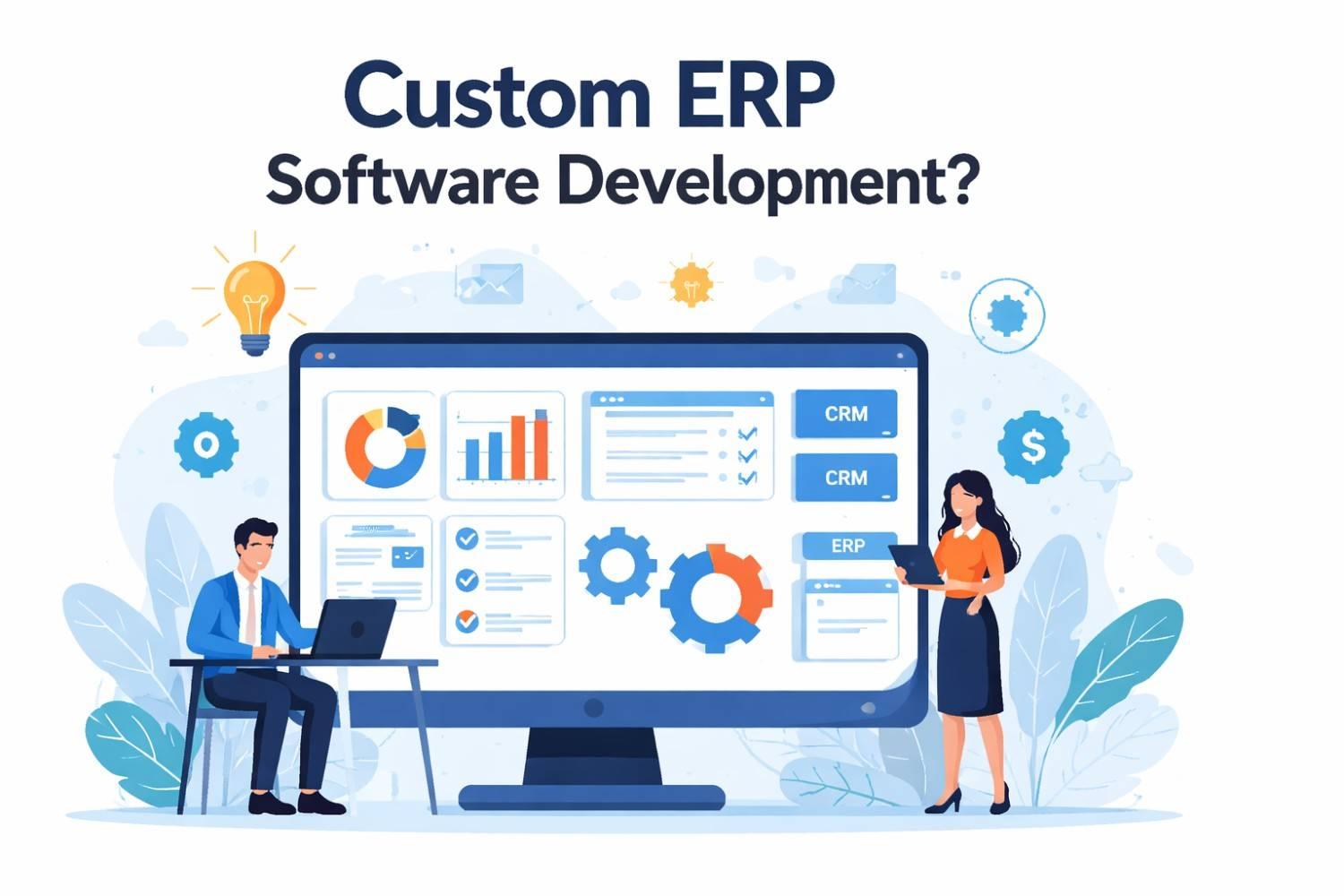
Business operations rarely remain simple for long. Growth, new departments, expanding customer bases, and increasing data demands slowly stretch existing software systems beyond their limits. Many organizations start with basic tools or generic platforms, which work well—until complexity arrives and complexity always arrives. At some point, spreadsheets multiply, manual processes pile up, and employees begin juggling disconnected systems. That moment often signals a turning point. Companies begin asking an important question: when does upgrading technology actually become necessary? The answer frequently leads to custom ERP software development, a solution designed to match the unique structure and evolving needs of modern businesses.
The Role of ERP in Modern Business Operations
Enterprise Resource Planning systems act as the digital backbone of modern organizations. Instead of scattered tools handling finance, human resources, inventory, and sales separately, ERP platforms bring everything into one coordinated environment. Data moves smoothly between departments, reducing confusion and duplicated work. Managers gain clearer insights, while teams spend less time switching between platforms which, frankly, feels like juggling spreadsheets while riding a bicycle. Efficient ERP systems also improve reporting accuracy, helping leaders make decisions based on real-time information. As companies grow more data-driven, ERP platforms increasingly become essential infrastructure rather than optional technology.
Signs Your Current System Is Holding the Business Back
Outdated systems rarely fail dramatically. Instead, they slow things down little by little—like traffic building during rush hour. Reports take longer to generate, employees manually transfer data between tools, and errors quietly appear in spreadsheets. Customer information may exist in several places at once, creating confusion about which version is correct. Teams sometimes invent creative workarounds (sticky notes, extra spreadsheets, and the occasional “temporary fix” that lasts years. These symptoms often reveal that existing systems no longer support daily operations effectively. When inefficiencies begin affecting productivity and decision-making, a deeper technological change becomes unavoidable.
When Business Growth Outpaces Existing Software
Success often introduces unexpected challenges. A company may double its customers, launch new products, or expand into new markets. Suddenly the software that once handled everything comfortably begins struggling to keep up. Inventory management becomes complicated, financial reporting grows slower, and internal communication turns messy. Growth should feel exciting, not chaotic. Yet scaling organizations frequently realize their systems were built for yesterday’s workload rather than tomorrow’s opportunities. At this stage, many businesses start exploring custom ERP software development because it offers flexibility and scalability designed around long-term operational growth rather than short-term convenience.
The Hidden Costs of Sticking With Outdated Systems
Keeping an aging system may seem economical at first glance. After all, upgrading software requires investment, planning, and training. However, hidden costs slowly accumulate beneath the surface. Employees spend hours performing manual data entry, mistakes require corrections, and reporting delays disrupt decision-making. Maintenance expenses also increase as legacy systems become harder to support. Eventually, productivity losses may exceed the price of modernization. Technology experts often observe that outdated systems function like old office printers—technically operational but constantly demanding attention. Over time, maintaining such systems drains both financial resources and employee patience.
The Benefits of Customization in ERP Systems
Every business operates differently, even within the same industry. Standard software often forces companies to adapt their workflows to fit pre-designed features. Customized ERP systems reverse that relationship. Instead of changing processes to match software limitations, organizations design technology that supports their exact operational structure. Automation becomes easier, reporting becomes more precise, and departments collaborate through shared data pipelines. Custom ERP platforms also integrate smoothly with existing tools, creating a more unified technology environment. The result is not simply a software upgrade but a system that reflects how the company actually functions every day.
How Remote Development Teams Are Changing ERP Implementation
Technology development has evolved significantly in recent years. Businesses no longer rely exclusively on local development teams to build enterprise software. Access to global expertise allows companies to collaborate with remote developers who bring specialized skills and flexible working models. This approach often accelerates development timelines while reducing operational costs. Distributed teams also introduce diverse perspectives, which can lead to more innovative software solutions. Collaboration tools, cloud platforms, and agile development practices make remote teamwork surprisingly seamless. For many organizations planning ERP upgrades, global development partnerships have become both practical and strategic.
Planning the Right Time for an ERP Upgrade
Timing plays a crucial role in technology transformation. Upgrading too early may waste resources, while waiting too long may create operational chaos. Businesses often evaluate several factors before initiating an ERP upgrade. Rapid growth, rising operational inefficiencies, and increased demand for data insights typically signal the need for modernization. Leadership teams must also consider budget planning, staff training, and transition timelines. Thoughtful preparation ensures the upgrade strengthens operations rather than disrupting them. Organizations that plan carefully often discover that ERP implementation becomes less intimidating and far more beneficial.
Choosing the Right Development Approach
Once the decision to upgrade technology is made, selecting the right development strategy becomes essential. Some organizations adopt modular approaches, gradually building features over time. Others implement complete systems designed to replace legacy platforms entirely. The choice often depends on business size, complexity, and future goals. Collaboration between stakeholders, developers, and operational teams helps ensure the final solution aligns with real business requirements. Effective planning also includes cybersecurity considerations, scalability, and integration capabilities. Successful ERP projects rarely happen by accident; they emerge from thoughtful planning and consistent collaboration.
Common Mistakes Businesses Make During ERP Upgrades
ERP upgrades promise efficiency, but poor planning can create unexpected difficulties. One common mistake involves rushing implementation without fully mapping business processes. Another occurs when organizations underestimate the importance of employee training. Even the most advanced system becomes ineffective if teams struggle to use it properly. Integration challenges also appear when older tools must connect with new platforms. Sometimes leadership expects instant results, overlooking the gradual nature of digital transformation. Avoiding these pitfalls requires patience, communication, and realistic expectations. Successful ERP upgrades typically resemble carefully managed journeys rather than overnight revolutions.
A Personal Observation About Technology Upgrades
Observations across several businesses reveal a familiar pattern. Leaders often recognize outdated systems long before action occurs. Meetings include phrases like “we’ll upgrade next quarter” or “the system still works—for now.” Eventually, a crisis appears: reporting failures, data mismatches, or operational slowdowns. One organization delayed modernization for years until a sudden growth surge overwhelmed its legacy system during peak operations. The lesson felt obvious afterward. Waiting rarely simplifies technology decisions. Instead, early planning creates smoother transitions and fewer surprises once modernization finally begins.
The Future of ERP Systems
Enterprise software continues evolving alongside broader technological trends. Cloud infrastructure, artificial intelligence, and automation are transforming how ERP platforms operate. Modern systems increasingly provide predictive analytics, automated workflows, and deeper integration across digital ecosystems. Businesses also expect ERP platforms to adapt quickly to new market conditions. Flexibility and scalability therefore become central design principles. As digital transformation accelerates, ERP systems will likely shift from operational tools to strategic intelligence platforms. Organizations that embrace adaptable technology today position themselves better for tomorrow’s increasingly data-driven business environment.
Conclusion
Technology rarely stands still, and business systems must evolve alongside organizational growth. Outdated tools gradually create inefficiencies, while modern solutions unlock new opportunities for automation, collaboration, and strategic insight. Recognizing the right moment to upgrade often determines whether a company grows smoothly or struggles with operational bottlenecks. Businesses that invest in modern ERP platforms usually discover improved visibility across operations and stronger long-term scalability. Ultimately, technology upgrades are less about replacing software and more about preparing organizations for the next stage of growth—because progress, much like business itself, never truly pauses.
FAQs
1. What is custom ERP software development?
Custom ERP software development refers to building enterprise systems tailored specifically to a company’s operational processes, allowing better integration, automation, and scalability.
2. When should a business upgrade its ERP system?
Companies should consider upgrading when existing systems slow operations, create data silos, or fail to scale with business growth.
3. How long does ERP implementation usually take?
ERP implementation timelines vary depending on complexity but typically range from several months to over a year.
4. Why do businesses prefer customized ERP solutions?
Customized ERP platforms allow organizations to align software functionality directly with their workflows and operational requirements.
5. Can global development teams build ERP systems effectively?
Yes. Many companies successfully collaborate with remote developers using modern collaboration tools and cloud infrastructure.
6. Which industries benefit most from ERP systems?
Manufacturing, logistics, retail, healthcare, and service industries often gain significant efficiency improvements from ERP systems.
Business operations rarely remain simple for long. Growth, new departments, expanding customer bases, and increasing data demands slowly stretch existing software systems beyond their limits. Many organizations start with basic tools or generic platforms, which work well—until complexity arrives and complexity always arrives. At some point, spreadsheets multiply, manual processes pile up, and employees begin juggling disconnected systems. That moment often signals a turning point. Companies begin asking an important question: when does upgrading technology actually become necessary? The answer frequently leads to custom ERP software development, a solution designed to match the unique structure and evolving needs of modern businesses.
The Role of ERP in Modern Business Operations
Enterprise Resource Planning systems act as the digital backbone of modern organizations. Instead of scattered tools handling finance, human resources, inventory, and sales separately, ERP platforms bring everything into one coordinated environment. Data moves smoothly between departments, reducing confusion and duplicated work. Managers gain clearer insights, while teams spend less time switching between platforms which, frankly, feels like juggling spreadsheets while riding a bicycle. Efficient ERP systems also improve reporting accuracy, helping leaders make decisions based on real-time information. As companies grow more data-driven, ERP platforms increasingly become essential infrastructure rather than optional technology.
Signs Your Current System Is Holding the Business Back
Outdated systems rarely fail dramatically. Instead, they slow things down little by little—like traffic building during rush hour. Reports take longer to generate, employees manually transfer data between tools, and errors quietly appear in spreadsheets. Customer information may exist in several places at once, creating confusion about which version is correct. Teams sometimes invent creative workarounds (sticky notes, extra spreadsheets, and the occasional “temporary fix” that lasts years. These symptoms often reveal that existing systems no longer support daily operations effectively. When inefficiencies begin affecting productivity and decision-making, a deeper technological change becomes unavoidable.
When Business Growth Outpaces Existing Software
Success often introduces unexpected challenges. A company may double its customers, launch new products, or expand into new markets. Suddenly the software that once handled everything comfortably begins struggling to keep up. Inventory management becomes complicated, financial reporting grows slower, and internal communication turns messy. Growth should feel exciting, not chaotic. Yet scaling organizations frequently realize their systems were built for yesterday’s workload rather than tomorrow’s opportunities. At this stage, many businesses start exploring custom ERP software development because it offers flexibility and scalability designed around long-term operational growth rather than short-term convenience.
The Hidden Costs of Sticking With Outdated Systems
Keeping an aging system may seem economical at first glance. After all, upgrading software requires investment, planning, and training. However, hidden costs slowly accumulate beneath the surface. Employees spend hours performing manual data entry, mistakes require corrections, and reporting delays disrupt decision-making. Maintenance expenses also increase as legacy systems become harder to support. Eventually, productivity losses may exceed the price of modernization. Technology experts often observe that outdated systems function like old office printers—technically operational but constantly demanding attention. Over time, maintaining such systems drains both financial resources and employee patience.
The Benefits of Customization in ERP Systems
Every business operates differently, even within the same industry. Standard software often forces companies to adapt their workflows to fit pre-designed features. Customized ERP systems reverse that relationship. Instead of changing processes to match software limitations, organizations design technology that supports their exact operational structure. Automation becomes easier, reporting becomes more precise, and departments collaborate through shared data pipelines. Custom ERP platforms also integrate smoothly with existing tools, creating a more unified technology environment. The result is not simply a software upgrade but a system that reflects how the company actually functions every day.
How Remote Development Teams Are Changing ERP Implementation
Technology development has evolved significantly in recent years. Businesses no longer rely exclusively on local development teams to build enterprise software. Access to global expertise allows companies to collaborate with remote developers who bring specialized skills and flexible working models. This approach often accelerates development timelines while reducing operational costs. Distributed teams also introduce diverse perspectives, which can lead to more innovative software solutions. Collaboration tools, cloud platforms, and agile development practices make remote teamwork surprisingly seamless. For many organizations planning ERP upgrades, global development partnerships have become both practical and strategic.
Planning the Right Time for an ERP Upgrade
Timing plays a crucial role in technology transformation. Upgrading too early may waste resources, while waiting too long may create operational chaos. Businesses often evaluate several factors before initiating an ERP upgrade. Rapid growth, rising operational inefficiencies, and increased demand for data insights typically signal the need for modernization. Leadership teams must also consider budget planning, staff training, and transition timelines. Thoughtful preparation ensures the upgrade strengthens operations rather than disrupting them. Organizations that plan carefully often discover that ERP implementation becomes less intimidating and far more beneficial.
Choosing the Right Development Approach
Once the decision to upgrade technology is made, selecting the right development strategy becomes essential. Some organizations adopt modular approaches, gradually building features over time. Others implement complete systems designed to replace legacy platforms entirely. The choice often depends on business size, complexity, and future goals. Collaboration between stakeholders, developers, and operational teams helps ensure the final solution aligns with real business requirements. Effective planning also includes cybersecurity considerations, scalability, and integration capabilities. Successful ERP projects rarely happen by accident; they emerge from thoughtful planning and consistent collaboration.
Common Mistakes Businesses Make During ERP Upgrades
ERP upgrades promise efficiency, but poor planning can create unexpected difficulties. One common mistake involves rushing implementation without fully mapping business processes. Another occurs when organizations underestimate the importance of employee training. Even the most advanced system becomes ineffective if teams struggle to use it properly. Integration challenges also appear when older tools must connect with new platforms. Sometimes leadership expects instant results, overlooking the gradual nature of digital transformation. Avoiding these pitfalls requires patience, communication, and realistic expectations. Successful ERP upgrades typically resemble carefully managed journeys rather than overnight revolutions.
A Personal Observation About Technology Upgrades
Observations across several businesses reveal a familiar pattern. Leaders often recognize outdated systems long before action occurs. Meetings include phrases like “we’ll upgrade next quarter” or “the system still works—for now.” Eventually, a crisis appears: reporting failures, data mismatches, or operational slowdowns. One organization delayed modernization for years until a sudden growth surge overwhelmed its legacy system during peak operations. The lesson felt obvious afterward. Waiting rarely simplifies technology decisions. Instead, early planning creates smoother transitions and fewer surprises once modernization finally begins.
The Future of ERP Systems
Enterprise software continues evolving alongside broader technological trends. Cloud infrastructure, artificial intelligence, and automation are transforming how ERP platforms operate. Modern systems increasingly provide predictive analytics, automated workflows, and deeper integration across digital ecosystems. Businesses also expect ERP platforms to adapt quickly to new market conditions. Flexibility and scalability therefore become central design principles. As digital transformation accelerates, ERP systems will likely shift from operational tools to strategic intelligence platforms. Organizations that embrace adaptable technology today position themselves better for tomorrow’s increasingly data-driven business environment.
Conclusion
Technology rarely stands still, and business systems must evolve alongside organizational growth. Outdated tools gradually create inefficiencies, while modern solutions unlock new opportunities for automation, collaboration, and strategic insight. Recognizing the right moment to upgrade often determines whether a company grows smoothly or struggles with operational bottlenecks. Businesses that invest in modern ERP platforms usually discover improved visibility across operations and stronger long-term scalability. Ultimately, technology upgrades are less about replacing software and more about preparing organizations for the next stage of growth—because progress, much like business itself, never truly pauses.
FAQs
1. What is custom ERP software development?
Custom ERP software development refers to building enterprise systems tailored specifically to a company’s operational processes, allowing better integration, automation, and scalability.
2. When should a business upgrade its ERP system?
Companies should consider upgrading when existing systems slow operations, create data silos, or fail to scale with business growth.
3. How long does ERP implementation usually take?
ERP implementation timelines vary depending on complexity but typically range from several months to over a year.
4. Why do businesses prefer customized ERP solutions?
Customized ERP platforms allow organizations to align software functionality directly with their workflows and operational requirements.
5. Can global development teams build ERP systems effectively?
Yes. Many companies successfully collaborate with remote developers using modern collaboration tools and cloud infrastructure.
6. Which industries benefit most from ERP systems?
Manufacturing, logistics, retail, healthcare, and service industries often gain significant efficiency improvements from ERP systems.

 English
 Arabic
 Spanish
 Portuguese
 Deutsch
 Turkish
 Dutch
Dutch
 Italiano
 Russian
 Romaian
 Portuguese (Brazil)
 Greek
Greek
