


From Concept to Reality: Transform Your Home with IKEA Kitchen Design
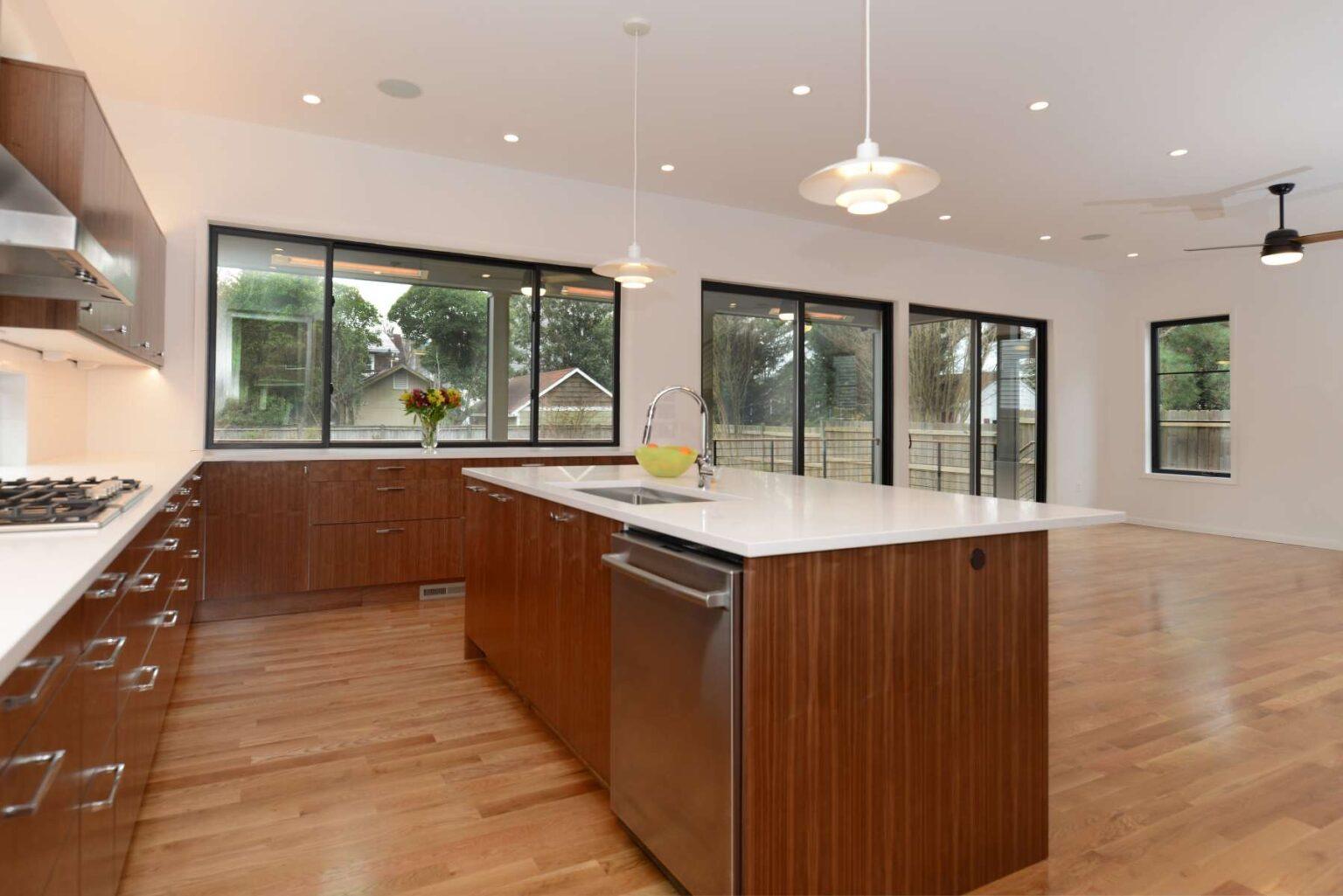
A kitchen renovation is more than a design upgrade—it’s a lifestyle transformation. From the first spark of inspiration to the final installation, the journey can feel complex. Yet with the right system and planning, it becomes a rewarding process that delivers both beauty and functionality. IKEA Kitchen Design simplifies this journey by turning ideas into practical, personalized kitchens that adapt to real homes and real lives.
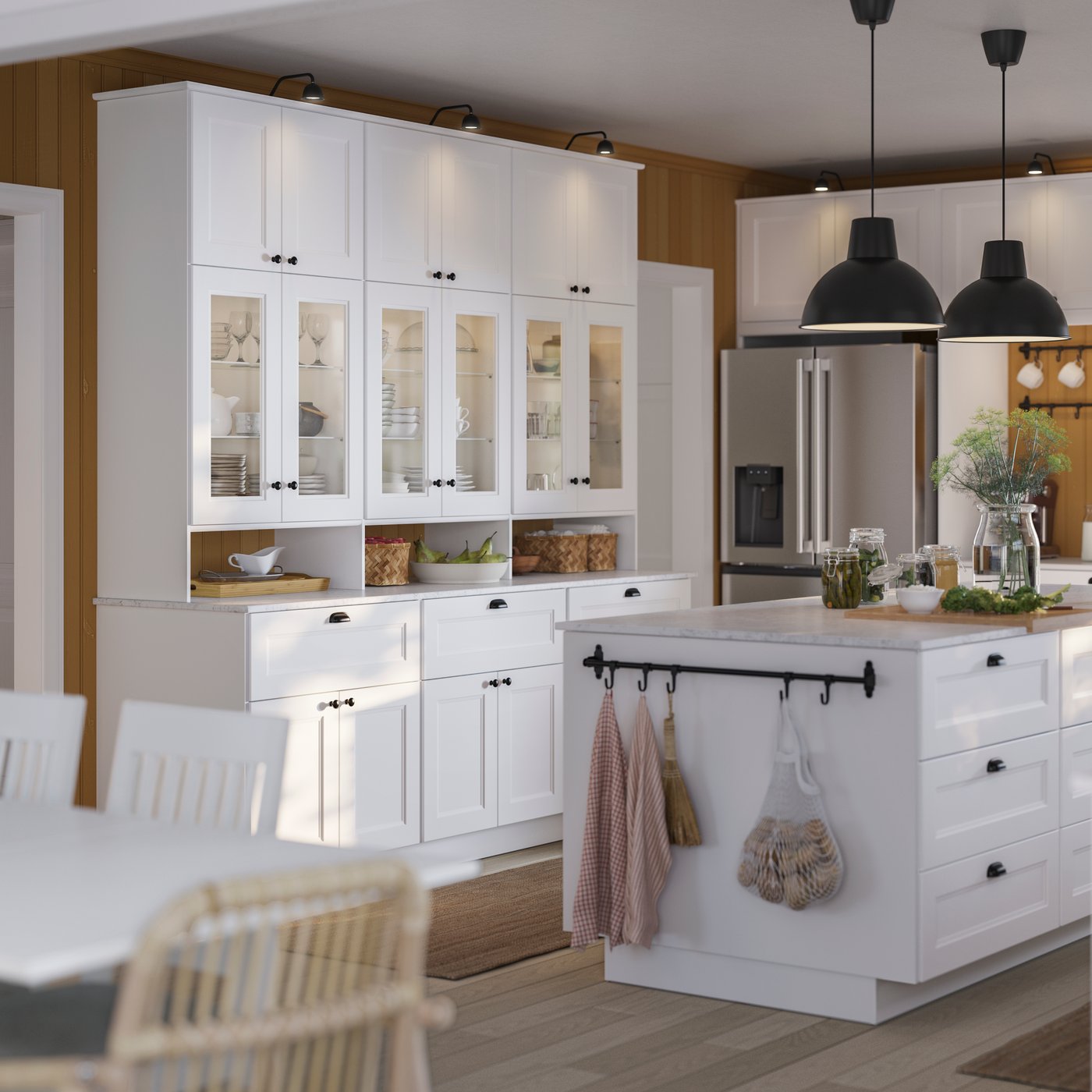
Step 1: Defining the Concept
Every successful kitchen begins with a clear concept. This stage is about understanding how you live and what you need from your space. Do you cook daily or mostly entertain? Is your kitchen compact or part of an open-plan layout? Do you prefer minimalist calm or bold, modern character?
IKEA kitchen design encourages homeowners to think function-first. By identifying priorities—storage, workflow, seating, or aesthetics—you create a foundation that guides every decision that follows. This clarity prevents impulse choices and ensures the final kitchen truly supports your lifestyle.
Step 2: Planning the Layout
Once the concept is defined, layout planning turns ideas into structure. IKEA’s modular approach makes it easy to design kitchens for all room sizes.
-
Single-wall and galley layouts work best for small apartments, maximizing efficiency in limited space.
-
L-shaped and U-shaped layouts provide generous counter space and storage for frequent cooking.
-
Island and peninsula designs suit open-plan homes, creating social hubs that connect cooking and living areas.
At this stage, attention to workflow is essential. Positioning the sink, stove, and refrigerator for easy movement ensures daily tasks feel natural rather than restrictive.
Step 3: Choosing Style and Materials
Style is where the kitchen’s personality comes to life. IKEA offers a wide range of cabinet fronts, colors, and finishes that allow homeowners to shape the mood of their space.
Scandinavian-inspired kitchens emphasize light colors, natural wood tones, and simplicity. Modern designs favor handle-less cabinets, matte finishes, and neutral palettes. Urban and contemporary styles introduce darker hues, strong contrasts, and statement elements.
Because IKEA cabinet frames remain consistent, you can focus on visible elements—doors, worktops, and hardware—to create a custom look without complexity. This flexibility allows style choices to align perfectly with your home’s overall design.
Step 4: Designing Smart Storage
Storage is where a kitchen truly proves its value. IKEA kitchens are known for interior solutions that transform how space is used.
Deep drawers replace traditional cabinets for better visibility and access. Pull-out pantry units organize food efficiently. Corner carousels turn awkward spaces into functional zones. Vertical storage maximizes wall height without crowding the floor.
By designing storage around habits—how you cook, clean, and store—you move from a generic kitchen to a personalized one. This is a key step in turning a concept into a space that feels intuitive and effortless.
Step 5: Visualizing with Planning Tools
One of the most empowering parts of IKEA kitchen design is visualization. Digital planning tools allow you to see your kitchen before it exists. Layouts, colors, and storage solutions can be tested and adjusted in real time.
This step reduces uncertainty and prevents costly mistakes. It also builds confidence, helping homeowners move from abstract ideas to a clear, achievable plan. Seeing the kitchen take shape virtually makes the transition from concept to reality feel tangible.
Step 6: Budgeting with Confidence
Budget concerns often limit creativity, but IKEA’s modular system offers control rather than compromise. Costs remain predictable because cabinet frames are standardized, while customization happens through finishes and accessories.
This means you can invest strategically—choosing durable worktops, premium storage interiors, or a standout island—while saving on less visible elements. The result is a kitchen that looks high-end but stays within financial reach.
Budget-friendly planning also supports long-term flexibility. As needs change, individual components can be updated without replacing the entire kitchen.
Step 7: Installation and Execution
The installation phase is where design becomes reality. IKEA kitchens are designed for both professional and DIY installation, depending on comfort level and project complexity.
Precision matters here. Accurate measurements, careful alignment, and attention to details like lighting and ventilation ensure the kitchen performs as beautifully as it looks. When installed correctly, the modular system delivers a clean, built-in appearance comparable to custom cabinetry.
Step 8: Living in the Finished Space
Once complete, the impact of a well-designed IKEA kitchen is immediate. The space feels more organized, more welcoming, and easier to use. Cooking becomes smoother, storage feels intuitive, and the kitchen naturally becomes a gathering point in the home.
This transformation goes beyond aesthetics. A functional kitchen improves daily routines and enhances how the entire home is experienced. It’s proof that thoughtful design has a real effect on quality of life.
Future-Proofing Your Kitchen
One of the greatest strengths of IKEA kitchen design is adaptability. Styles evolve, families grow, and needs change—but the kitchen doesn’t have to be replaced. Cabinet doors can be swapped, storage interiors upgraded, and layouts adjusted over time.

 English
 Arabic
 French
 Spanish
 Portuguese
 Deutsch
 Turkish
 Italiano
 Russian
 Romaian
 Portuguese (Brazil)
 Greek
Greek
