


How to Inspect and Maintain Your Pallet Rack System
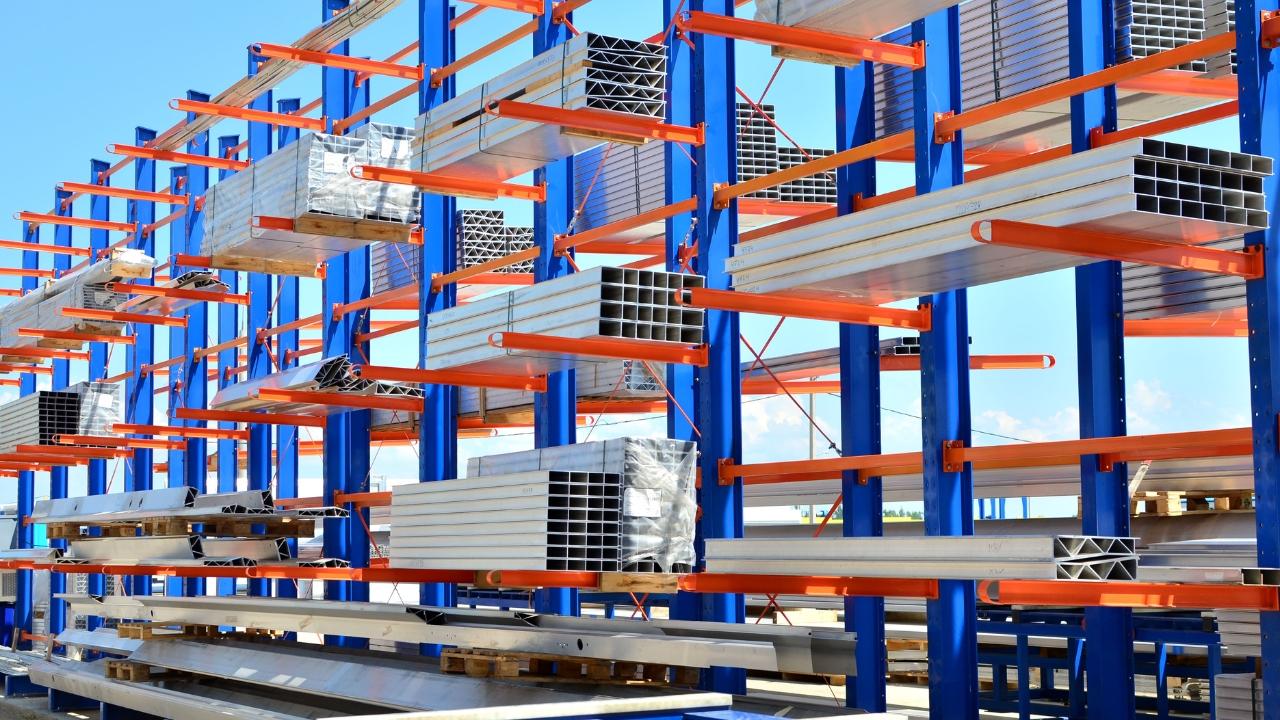
A pallet rack system is a vital part of any warehouse operation. Regular inspection and maintenance help ensure safety, improve storage efficiency, and extend the lifespan of the system. Master Racks Limited recommends a proactive maintenance approach to keep warehouse storage systems operating at peak performance.
Why Pallet Rack Inspection and Maintenance Are Important
Warehouse storage systems are constantly exposed to heavy loads, forklift traffic, and daily operational activities. Over time, these factors can cause wear and damage that may affect the safety and reliability of the racking structure.
Routine inspections help businesses:
-
Identify potential hazards early
-
Prevent costly downtime
-
Maintain workplace safety
-
Extend equipment lifespan
-
Improve operational efficiency
A well-maintained pallet rack system contributes to smoother warehouse operations and better inventory management.
Understanding the Risks of Neglected Rack Maintenance
Ignoring regular inspections can lead to serious problems.
Common risks include:
-
Structural instability
-
Product damage
-
Inventory loss
-
Workplace accidents
-
Reduced storage capacity
Even minor damage can become a significant safety concern if left unaddressed. This is why warehouse managers should establish a consistent inspection and maintenance program.
Key Components of a Pallet Rack System to Inspect
Before conducting inspections, it is important to understand the major components of the system.
Upright Frames
Upright frames provide vertical support and carry the load of stored inventory.
Inspect for:
-
Bent sections
-
Dents
-
Corrosion
-
Structural deformation
Load Beams
Load beams support pallets and distribute weight across the structure.
Check for:
-
Beam deflection
-
Cracks
-
Loose beam connectors
-
Missing safety locks
Base Plates
Base plates anchor the rack to the warehouse floor.
Inspect for:
-
Loose anchors
-
Cracks
-
Signs of movement
-
Damaged mounting hardware
Safety Accessories
Protective components are essential for maintaining warehouse safety.
Review:
-
Rack guards
-
Column protectors
-
Safety barriers
-
Wire decking
-
Load signage
Damaged safety accessories should be repaired or replaced promptly.
Establishing a Regular Inspection Schedule
Daily Visual Inspections
Warehouse employees should conduct quick visual checks during routine operations.
Look for:
-
Visible damage
-
Misaligned components
-
Missing safety pins
-
Impact marks from forklifts
Daily inspections help identify issues before they become major problems.
Weekly Operational Checks
Warehouse supervisors should perform more detailed reviews on a weekly basis.
Areas to evaluate include:
-
Rack alignment
-
Beam condition
-
Load distribution
-
General cleanliness
These inspections help maintain consistent storage performance.
Monthly Safety Assessments
Monthly inspections provide an opportunity to evaluate the overall condition of the racking system.
Review:
-
Structural integrity
-
Compliance with load limits
-
Condition of protective equipment
-
Employee safety practices
Annual Professional Inspections
Professional evaluations provide a more comprehensive assessment.
Experienced specialists can identify hidden structural concerns and recommend corrective actions.
Companies such as Master Racks Limited often assist businesses with professional rack evaluations and maintenance recommendations.
Common Signs of Pallet Rack Damage
Bent Uprights
One of the most common issues in warehouse environments is damage to upright frames.
This often occurs due to forklift impacts.
Signs include:
-
Visible bending
-
Twisting
-
Cracks in metal components
Damaged uprights should be addressed immediately.
Damaged Beams
Beams can become damaged through overloading or accidental impacts.
Watch for:
-
Beam sagging
-
Deformation
-
Cracked welds
-
Loose connections
Damaged beams may compromise the stability of the entire structure.
Missing Safety Pins
Safety pins help secure load beams in place.
Missing or damaged pins increase the risk of beam displacement and should be replaced immediately.
Corrosion and Rust
Environmental conditions can cause corrosion over time.
Inspect for:
-
Rust spots
-
Surface deterioration
-
Moisture-related damage
Protective measures should be implemented to prevent further deterioration.
How to Conduct a Proper Rack Inspection
Step 1: Check Rack Alignment
Begin by visually inspecting the rack structure from multiple angles.
Look for:
-
Leaning frames
-
Uneven alignment
-
Structural distortion
Proper alignment is essential for safe load distribution.
Step 2: Inspect Load Capacity Compliance
Verify that inventory loads remain within recommended limits.
Check:
-
Load signage
-
Storage practices
-
Weight distribution
Overloading is one of the leading causes of rack failures.
Step 3: Examine Connection Points
Inspect all connections carefully.
Review:
-
Beam connectors
-
Fasteners
-
Anchors
-
Bracing components
Loose connections should be tightened or replaced as needed.
Step 4: Evaluate Safety Features
Ensure all protective equipment remains in good condition.
Verify the effectiveness of:
-
Guards
-
Barriers
-
Safety labels
-
Decking systems
These features play an important role in reducing workplace risks.
Best Practices for Pallet Rack Maintenance
Keep Aisles Clean and Organized
Clean warehouse environments contribute to safer operations.
Remove:
-
Debris
-
Obstructions
-
Unused pallets
Clear aisles reduce the risk of forklift collisions and rack damage.
Train Employees Properly
Warehouse personnel should understand safe rack usage procedures.
Training topics should include:
-
Proper loading techniques
-
Weight limitations
-
Damage reporting procedures
-
Forklift operation near racks
Well-trained employees help prevent avoidable damage.
Repair Damage Immediately
Delaying repairs can increase safety risks.
Any damaged component should be evaluated and repaired as soon as possible.
Prompt action helps maintain structural integrity and warehouse safety.
Maintain Accurate Load Information
Load capacity labels should remain visible and accurate.
Employees must understand storage limitations and follow approved loading practices.
Preventing Common Causes of Rack Damage
Forklift Collisions
Forklift impacts are among the most common causes of rack damage.
Reduce risks by:
-
Installing rack protectors
-
Creating clear traffic lanes
-
Providing operator training
Overloading
Exceeding load limits can compromise rack performance.
Always follow manufacturer guidelines regarding weight capacities.
Improper Pallet Placement
Incorrect pallet positioning may create uneven load distribution.
Ensure pallets are placed securely and evenly across load beams.
Lack of Maintenance
Routine maintenance helps identify issues before they affect warehouse operations.
Consistent inspections are essential for long-term reliability.
Benefits of Professional Rack Maintenance Services
Expert Evaluation
Professional inspectors possess specialized knowledge and experience.
They can identify:
-
Hidden structural damage
-
Safety compliance issues
-
Potential failure points
Improved Safety
Professional assessments help ensure warehouse storage systems meet industry standards and operational requirements.
Extended System Lifespan
Regular maintenance and timely repairs help maximize the service life of storage equipment.
Businesses that work with experienced providers such as Master Racks Limited often benefit from improved system reliability and operational efficiency.
Creating a Rack Safety Culture
Encourage Damage Reporting
Employees should feel comfortable reporting any rack-related concerns.
A strong reporting culture helps address issues before they escalate.
Conduct Ongoing Training
Regular safety training reinforces proper warehouse practices and improves awareness.
Monitor Warehouse Activities
Supervisors should routinely observe warehouse operations and identify behaviors that could increase rack damage risks.
A proactive approach promotes long-term safety and efficiency.
The Role of Technology in Rack Inspections
Modern warehouses increasingly use digital tools to improve maintenance programs.
These technologies include:
-
Inspection management software
-
Mobile reporting applications
-
Digital maintenance records
-
Warehouse management systems
Technology helps improve documentation, accountability, and inspection consistency.
Why Choose a Trusted Storage Solutions Provider?
Warehouse storage systems require ongoing attention and expertise.
A trusted partner can provide:
-
Professional inspections
-
Maintenance recommendations
-
Safety evaluations
-
System upgrades
Master Racks Limited supports businesses with reliable storage solutions designed to improve warehouse safety, efficiency, and long-term performance.
Their expertise helps organizations maintain high operational standards while protecting valuable inventory and personnel.
Conclusion
A pallet rack system requires regular inspection and maintenance to ensure safety, reliability, and maximum storage efficiency. By following a structured maintenance program and working with experienced providers like Master Racks Limited, businesses can protect their investment, improve warehouse performance, and maintain a safe working environment.

 English
 Arabic
 French
 Spanish
 Deutsch
 Turkish
 Dutch
Dutch
 Italiano
 Russian
 Romaian
 Portuguese (Brazil)
 Greek
Greek
