


On Grid Inverter: The Smart Solar Upgrade That Turns Sunlight Into Real Savings
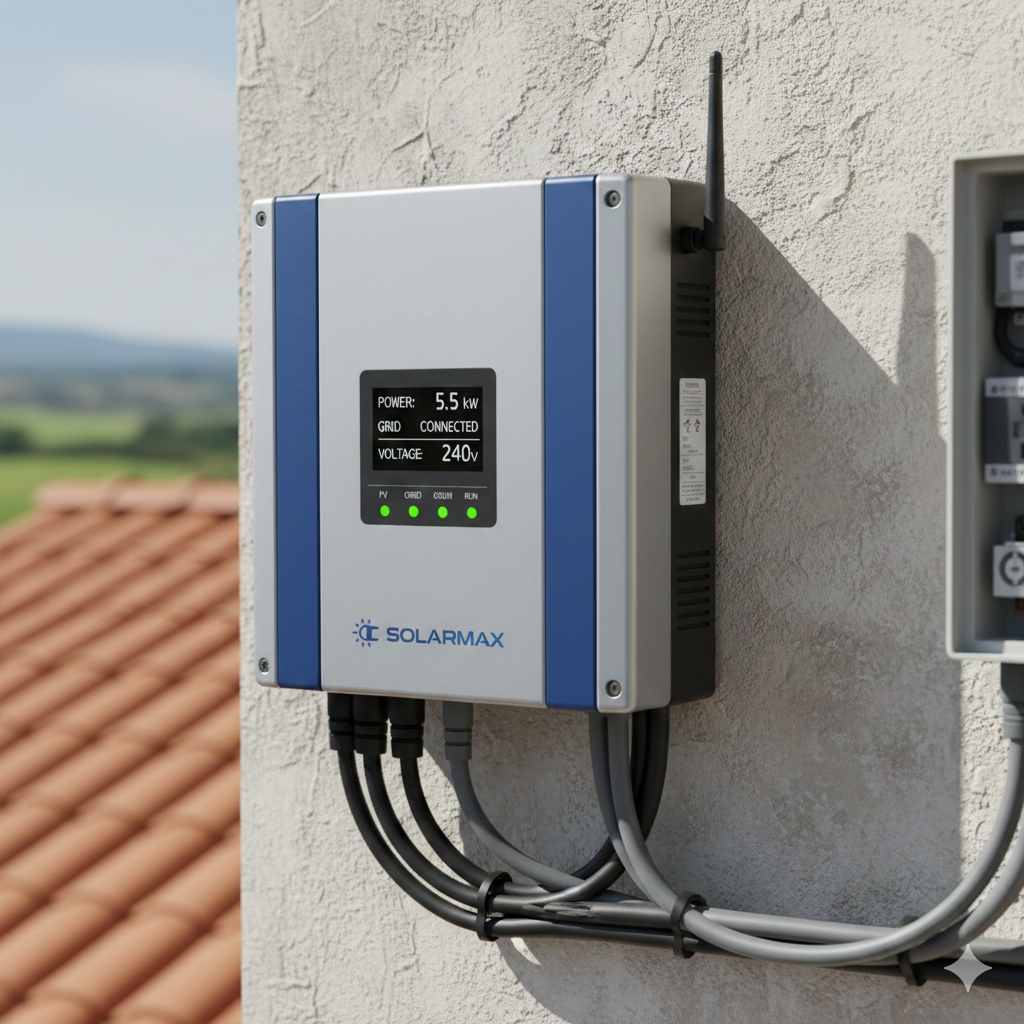
Electricity bills keep rising. Load shedding still disturbs daily life. Businesses struggle with high energy costs. Homeowners worry about monthly expenses. Solar power is no longer a luxury. It has become a smart and practical solution.
But here is the truth many people miss: the heart of any solar system is the inverter. And when it comes to saving money and using solar power efficiently, the on grid inverter is often the best choice.
This guide will help you understand how an on grid inverter works, why it is popular, and how it can transform your energy costs. Let’s keep it simple, practical, and easy to follow.
What Is an On Grid Inverter?
An on grid inverter is a device that connects your solar panels directly to the utility grid. It converts the DC electricity from solar panels into AC electricity that your home or business can use.
Unlike hybrid or off-grid systems, an on grid inverter does not use batteries. It sends extra electricity back to the grid.
In simple words:
-
Solar panels produce electricity during the day.
-
Your home uses that electricity first.
-
Extra energy goes back to the grid.
-
You get credits or savings on your bill.
This system is also known as:
-
Grid tied inverter
-
Grid connected inverter
-
Net metering inverter
How an On Grid Inverter Works
The working process is simple and efficient.
-
Solar panels capture sunlight.
-
Panels generate DC electricity.
-
The on grid inverter converts DC into AC.
-
Your home uses the AC power instantly.
-
Extra power goes back to the utility grid.
At night or on cloudy days:
-
You use electricity from the grid as usual.
This creates a smooth and automatic energy flow.
Why On Grid Inverters Are So Popular in Pakistan
Many homes and businesses in Pakistan are shifting toward solar. The main reason is simple: savings.
Here are the key reasons people choose an on grid inverter:
-
No need for expensive batteries.
-
Lower installation cost.
-
Easy maintenance.
-
Faster return on investment.
-
Ideal for net metering systems.
In cities with stable grid supply, this system works perfectly.
Key Benefits of an On Grid Inverter
1. Major Savings on Electricity Bills
Your solar system produces power during the day. This reduces your reliance on the utility company. The result is a much lower electricity bill.
2. No Battery Expenses
Batteries are costly and need replacement every few years. On grid systems work without batteries, which cuts down the overall cost.
3. Simple and Clean System
There are fewer components in an on grid system. This means:
-
Less wiring
-
Less maintenance
-
Fewer technical issues
4. Net Metering Advantage
With net metering:
-
Extra solar energy goes to the grid.
-
You earn credits on your electricity bill.
-
These credits reduce your monthly expenses.
On Grid Inverter vs Off Grid Inverter
Many people get confused between these two systems. Here is a simple comparison.
On Grid Inverter
-
Connected to the utility grid
-
No batteries required
-
Lower cost
-
Best for areas with stable electricity
-
Supports net metering
Off Grid Inverter
-
Works without the utility grid
-
Requires batteries
-
Higher initial cost
-
Best for remote areas
-
No net metering benefits
On Grid Inverter vs Hybrid Inverter
A hybrid inverter combines both systems.
Hybrid Inverter
-
Works with batteries and grid
-
Provides backup during outages
-
Higher cost than on grid systems
On Grid Inverter
-
No backup during power cuts
-
More affordable
-
Faster payback period
Key Features to Look for in an On Grid Inverter
Before buying an inverter, check these features.
-
High efficiency rating
-
Smart monitoring system
-
Strong safety protections
-
Wide voltage range
-
Weather-resistant design
-
Warranty and support
These features ensure long-term performance and reliability.
Common Sizes of On Grid Inverters
Different homes and businesses need different inverter sizes.
Popular sizes include:
-
3 kW on grid inverter
-
5 kW on grid inverter
-
8 kW on grid inverter
-
10 kW on grid inverter
-
15 kW and above for commercial use
The right size depends on:
-
Your electricity usage
-
Roof space
-
Budget
-
Net metering requirements
Best On Grid Inverter Brands in Pakistan
Several trusted brands are available in the market.
Popular options include:
-
Huawei
-
Growatt
-
Sungrow
-
Solis
-
GoodWe
-
Inverex
Each brand offers different features and price ranges.
On Grid Inverter Price in Pakistan
Prices vary based on brand, size, and features.
General price ranges:
-
3 kW inverter: mid-range pricing
-
5 kW inverter: popular and affordable option
-
10 kW inverter: ideal for large homes
-
Commercial inverters: higher investment but better long-term returns
Prices also change due to:
-
Import rates
-
Currency fluctuations
-
Brand reputation
-
Warranty terms
For the latest and accurate pricing, it is best to check with trusted suppliers like SolarApp.
Is an On Grid Inverter Right for You?
An on grid inverter is ideal if:
-
You have a stable electricity connection.
-
You want to reduce your monthly bills.
-
You plan to apply for net metering.
-
You do not need battery backup.
It may not be the best option if:
-
Your area faces long power outages.
-
You need backup power at night.
Installation Process of an On Grid Inverter
The installation process is straightforward when done by professionals.
Typical steps include:
-
Site survey and load analysis.
-
System design.
-
Mounting solar panels.
-
Installing the inverter.
-
Grid connection.
-
Testing and commissioning.
Professional installation ensures safety and long-term performance.
Maintenance Tips for On Grid Inverters
On grid systems require minimal maintenance.
Follow these simple tips:
-
Keep solar panels clean.
-
Check system performance regularly.
-
Monitor inverter alerts.
-
Schedule yearly inspections.
These steps keep the system running smoothly.
How Long Does an On Grid Inverter Last?
Most quality inverters last:
-
10 to 15 years on average.
Many brands offer:
-
5 to 10 year warranties.
-
Extended warranty options.
Choosing a reliable brand ensures longer life and better performance.
Common Myths About On Grid Inverters
Myth 1: Solar Works Only in Strong Sunlight
Solar panels still produce power on cloudy days. Output is lower, but the system continues to work.
Myth 2: On Grid Systems Are Complicated
In reality, they are simpler than battery systems.
Myth 3: Solar Is Too Expensive
With rising electricity prices, solar systems now pay for themselves in a few years.
Why Choose SolarApp for On Grid Inverters
Choosing the right supplier matters as much as choosing the right inverter.
SolarApp offers:
-
High-quality on grid inverters
-
Trusted international brands
-
Professional installation
-
Competitive prices
-
After-sales support
Their team helps you select the right system based on your needs and budget.
The Future of On Grid Solar Systems
Energy costs will keep rising. Solar technology will keep improving. Governments are also encouraging renewable energy.
On grid solar systems will continue to grow because they offer:
-
Fast savings
-
Simple design
-
Long-term benefits
For homes and businesses, this is a smart step toward energy independence.
Conclusion
An on grid inverter is the backbone of a cost-effective solar system. It connects your panels to the utility grid and helps you save money every month.
It is simple, efficient, and ideal for areas with stable electricity. With net metering, it becomes even more powerful.
If you want lower bills, clean energy, and a fast return on investment, an on grid inverter is a smart choice.
Frequently Asked Questions
What is an on grid inverter used for?
It converts solar panel electricity into usable power and sends extra energy to the utility grid.
Does an on grid inverter work during power outages?
No. It shuts down automatically for safety reasons.
Is net metering possible with an on grid inverter?
Yes. On grid systems are designed for net metering.
How long does an on grid inverter last?
Most last between 10 and 15 years, depending on the brand and usage.
Which size on grid inverter is best for a home?
A 5 kW or 8 kW inverter is common for medium-sized homes, but the exact size depends on your electricity usage.

 English
 Arabic
 French
 Spanish
 Portuguese
 Deutsch
 Turkish
 Dutch
Dutch
 Italiano
 Russian
 Romaian
 Portuguese (Brazil)
