


How Reusable Period Pads Help Reduce Period Waste and Save Money
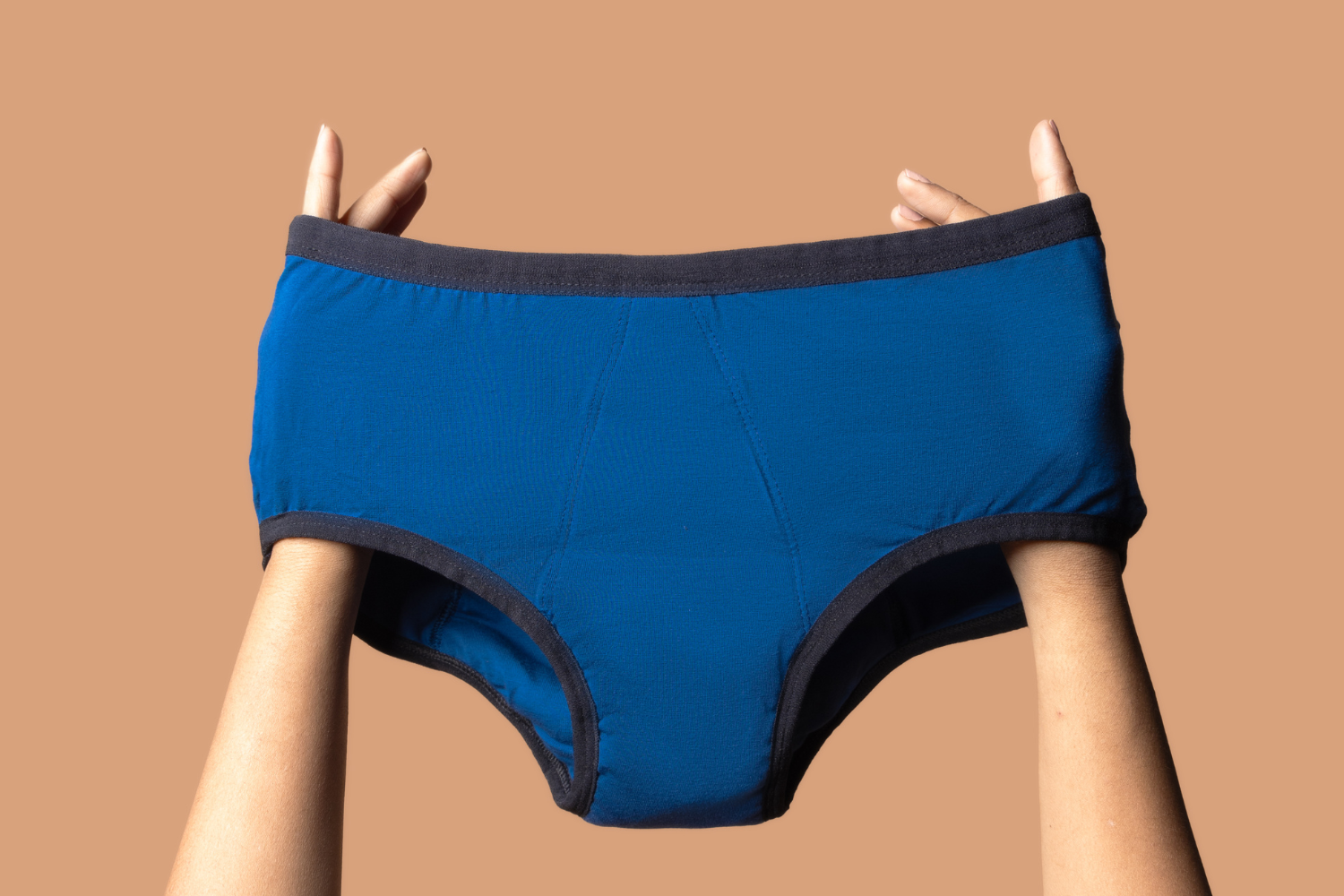
Menstruation is a natural part of life, yet the products used to manage periods often create a significant environmental and financial burden. Most people rely on disposable sanitary pads and tampons without realizing how much waste they generate over time or how much money they spend on menstrual products throughout their lives.
As awareness about sustainability grows, many individuals are exploring eco-friendly alternatives that offer both environmental and economic benefits. Among these alternatives, reusable period pads have become a practical solution for those seeking comfort, affordability, and reduced environmental impact.
In this guide, we'll explore how reusable menstrual products can help minimize period waste, save money in the long run, and support a more sustainable lifestyle.
Understanding the Problem of Period Waste
Disposable menstrual products are designed for single use. After a few hours of wear, they are thrown away and replaced with a fresh product. While convenient, this habit creates a surprising amount of waste.
A person who menstruates may use thousands of disposable pads throughout their lifetime. Since many conventional pads contain plastic components, synthetic materials, adhesives, and packaging, they can take hundreds of years to break down in landfills.
The environmental impact extends beyond disposal. Manufacturing disposable menstrual products requires raw materials, energy, water, transportation, and packaging. As demand increases, so does the environmental footprint associated with producing these products.
This growing concern has encouraged many consumers to look for reusable alternatives that reduce waste without compromising on hygiene or comfort.
What Are Reusable Period Pads?
Reusable period pads are washable menstrual pads made from absorbent fabrics that can be cleaned and reused multiple times. Unlike disposable pads, they are designed to withstand repeated washing while maintaining their absorbency and comfort.
Most reusable pads consist of multiple fabric layers that absorb menstrual flow and a leak-resistant backing layer that helps prevent staining. They are available in various sizes and absorbency levels to accommodate light, moderate, and heavy flow days.
With proper care, a high-quality reusable pad can last for several years, making it a sustainable choice for menstrual management.
How Reusable Period Pads Reduce Period Waste
1. Significantly Lower Landfill Contributions
One of the biggest advantages of switching to reusable menstrual products is the reduction in waste generation.
A single reusable pad can replace hundreds of disposable products during its lifespan. Instead of throwing away pads every month, users wash and reuse the same products repeatedly.
This simple change can dramatically decrease the amount of menstrual waste sent to landfills each year.
2. Reduced Plastic Consumption
Many disposable sanitary products contain plastic-based materials. From absorbent cores to waterproof backings and packaging, plastic is often used throughout the manufacturing process.
By choosing reusable options, consumers reduce their dependence on single-use plastic products and contribute to a lower demand for plastic production.
3. Less Packaging Waste
Disposable menstrual products are usually individually wrapped and sold in additional packaging.
Over time, these wrappers and boxes add to household waste. Reusable alternatives require significantly less packaging because they are purchased less frequently and used repeatedly.
4. Encourages Sustainable Habits
Using reusable products often inspires broader sustainable lifestyle choices. Many people who switch to reusable menstrual products become more mindful of waste reduction, recycling, and environmentally responsible purchasing decisions.
Small changes can have a meaningful impact when adopted consistently over time.
The Financial Benefits of Reusable Period Pads
Environmental benefits are important, but cost savings are often what motivate people to make the switch.
Lower Long-Term Costs
Disposable pads require continuous purchases month after month. Even though individual packs may seem affordable, the expenses accumulate significantly over the years.
A set of reusable menstrual pads requires a higher initial investment, but they can be used for years with proper maintenance.
When comparing lifetime costs, reusable products often prove to be much more economical than repeatedly purchasing disposable alternatives.
Reduced Emergency Purchases
Many people have experienced running out of pads unexpectedly and paying higher prices at convenience stores or pharmacies.
Because reusable products are part of a long-term collection, users are less likely to face urgent purchases or last-minute shopping trips.
Better Value Over Time
The durability of reusable products contributes to their value. With regular washing and proper care, many reusable pads remain effective for several years.
This extended lifespan means the cost per use becomes remarkably low compared to single-use products.
Comfort Benefits Beyond Savings
Financial and environmental advantages are compelling, but comfort is another reason many users embrace reusable menstrual products.
Soft Fabric Materials
Reusable pads are commonly made from breathable fabrics that feel gentler against the skin than many disposable alternatives.
The soft texture can help improve overall comfort, especially during extended wear.
Reduced Irritation
Some individuals experience irritation from fragrances, adhesives, or synthetic materials found in disposable products.
Reusable options often use skin-friendly fabrics that may reduce discomfort and promote a more pleasant menstrual experience.
Breathability
Breathable materials can improve airflow and reduce the feeling of heat and moisture commonly associated with disposable products.
This feature contributes to greater comfort throughout the day.
Are Reusable Period Pads Hygienic?
A common concern among first-time users is hygiene.
When cleaned properly, reusable menstrual products are completely safe and hygienic to use.
The key is following a simple care routine:
- Rinse after use.
- Wash according to care instructions.
- Dry thoroughly before storage.
- Store in a clean, dry place.
Proper maintenance helps preserve absorbency and ensures continued hygiene throughout the product's lifespan.
How to Care for Reusable Period Pads
Caring for reusable pads is straightforward and becomes easier with practice.
Step 1: Rinse
After use, rinse the pad in cold water to remove excess fluid.
Step 2: Wash
Machine wash or hand wash using a gentle detergent. Avoid harsh chemicals that may damage the fabric.
Step 3: Dry
Air drying is often recommended to maintain fabric quality and extend product longevity.
Step 4: Store
Keep clean pads in a dry, organized location until needed.
Following these steps helps ensure optimal performance for years.
Comparing Disposable and Reusable Options
Disposable Pads
Pros
- Convenient
- Widely available
- No washing required
Cons
- Ongoing monthly expense
- Significant waste generation
- Frequent repurchasing
Reusable Period Pads
Pros
- Cost-effective over time
- Environmentally friendly
- Comfortable and breathable
- Reduced waste
Cons
- Higher upfront cost
- Requires washing and storage
For many users, the long-term advantages outweigh the initial learning curve.
Combining Reusable Menstrual Products
Many individuals create a menstrual care system that combines multiple reusable products depending on their needs.
For example, some may use reusable period pads during the day and switch to period proof underwear at night for additional confidence and comfort. Others alternate products based on flow intensity, travel plans, or personal preferences.
The flexibility of reusable options allows users to customize their menstrual care routine while reducing waste.
Why More People Are Making the Switch
The popularity of reusable menstrual products continues to grow for several reasons:
- Rising awareness of environmental issues
- Increased interest in sustainable living
- Long-term cost savings
- Improved product designs
- Greater availability of reusable options
As consumers become more conscious of their purchasing decisions, reusable menstrual products are increasingly viewed as a practical and responsible choice.
Is Switching Right for You?
The decision ultimately depends on your lifestyle, comfort preferences, and personal priorities.
If you're looking to:
- Reduce household waste
- Save money over time
- Minimize reliance on disposable products
- Support sustainable living practices
then reusable menstrual products may be worth exploring.
Starting with a few reusable pads can help you determine whether they fit comfortably into your routine before making a complete transition.
Final Thoughts
Menstrual care doesn't have to come at the expense of the environment or your budget. By choosing reusable period pads, individuals can significantly reduce menstrual waste while enjoying substantial long-term savings.
The benefits go beyond cost reduction. Reusable products promote sustainability, reduce plastic consumption, minimize landfill waste, and offer comfortable everyday protection. While the initial investment may be higher than purchasing disposable products, the long-term value makes them an appealing choice for many people.
As more consumers seek eco-conscious solutions for everyday needs, reusable menstrual products continue to demonstrate that small lifestyle changes can create meaningful environmental and financial benefits over time.
FAQs
1. How long do reusable period pads last?
High-quality reusable period pads can typically last between two and five years, depending on usage frequency, fabric quality, and care practices.
2. Do reusable period pads save money compared to disposable pads?
Yes. Although the initial purchase cost is higher, reusable pads eliminate the need for frequent monthly purchases, resulting in significant long-term savings.
3. Are reusable period pads suitable for heavy flow days?
Yes. Many reusable pads are designed with different absorbency levels, including options specifically created for moderate to heavy menstrual flow.
4. How often should reusable period pads be changed?
The frequency depends on individual flow levels. Most users change them every few hours, similar to disposable menstrual products.
5. Are reusable period pads environmentally friendly?
Yes. Reusable pads reduce landfill waste, decrease plastic consumption, minimize packaging waste, and support a more sustainable approach to menstrual care.

 English
 Arabic
 French
 Spanish
 Portuguese
 Deutsch
 Turkish
 Dutch
Dutch
 Russian
 Romaian
 Portuguese (Brazil)
 Greek
Greek
