


What are the Cross-Contamination Risks of Using the Same Cone for Multiple Clients?
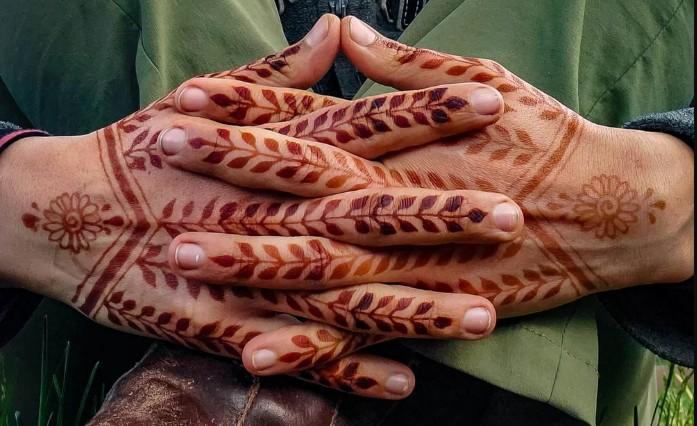
The practice of henna art, or mehndi, has blossomed from a traditional cultural ceremony into a flourishing professional industry. As more people discover the beauty of intricate skin staining, the responsibility of the artist to maintain impeccable hygiene standards has never been more critical. One of the most frequently debated topics in professional circles is the practice of using a single henna cone for multiple clients. While it might seem convenient or cost-effective to hold onto a partially used cone, doing so presents a significant risk of cross-contamination. In a professional beauty environment, where the skin is the primary canvas, even the smallest oversight in hygiene can lead to adverse health outcomes. Understanding the biological, chemical, and physical risks associated with sharing equipment is a foundational step in becoming a respected and safe henna artist. This guide breaks down exactly why single-use cones are the industry standard for hygiene.
The Micro-Biology of Henna and Bacterial Growth
Henna paste is an organic, water-based medium, which inherently makes it an ideal breeding ground for microbial life. When a cone is opened, it is exposed to the ambient environment, including dust, airborne bacteria, and humidity. If that cone touches the skin of one client and is then stored to be used on another, you are effectively introducing the biological material—such as dead skin cells, sweat, or even hidden bacteria—from the first client back into the cone’s paste reservoir. Because henna paste often contains sugar or honey to improve its consistency and staining power, it provides a high-energy food source for bacteria and fungi. Even if the paste appears clean to the naked eye, it can rapidly develop colonies of staphylococcus or other harmful pathogens. Using this contaminated paste on a second client provides a direct route for these bacteria to penetrate pores, potentially causing localized infections that range from mild irritations to severe skin conditions.
The Mechanics of Skin-to-Cone Transfer
The physical design of the henna cone tip is the primary vector for contamination. During an application, the tip of the cone is almost always in contact with the skin surface. Whether you are creating fine lines or filling in complex geometric patterns, the friction between the tip and the client’s skin can pick up microscopic debris, oils, and bacteria. When you finish with one client and set the cone aside, those contaminants are not just sitting on the surface of the tip; they are often pulled back into the tip orifice through capillary action as the paste retracts. When you go to apply the paste for the second client, you are squeezing out "dirty" paste at the beginning of the application. This is not just a theoretical risk; it is a mechanical inevitability. Once the tip has made skin contact, the internal environment of the cone has been compromised. The only way to ensure the sterility of the paste is to treat the cone as a single-use delivery system.
Allergic Sensitivities and the Risk of Cross-Reactivity
Beyond the risk of bacterial infection, there is a serious concern regarding chemical cross-contamination, particularly concerning pre-mixed or synthetic "black henna" products. Many illicit or low-quality cones found on the market contain additives like Paraphenylenediamine (PPD), which is a common industrial chemical used to darken the stain. If a cone containing PPD is used on a client who has a sensitivity or an undiagnosed allergy, and that residue is then transferred to a second client, you may inadvertently trigger an allergic reaction in the second person. Furthermore, if you are mixing your own henna, the introduction of oils or essential oils into a cone that has been used on a client with a known sensitivity to a specific plant extract can cause contact dermatitis. By using the same cone, you lose the ability to control what is being applied to the client's skin, making it impossible to guarantee that your materials remain free from sensitizing agents that might affect different individuals in different ways.
Establishing a Single-Use Professional Standard
The hallmark of a true professional is the ability to prioritize client safety over the modest cost savings of reusing materials. In any reputable beauty service, from tattooing to microblading, the equipment is either sterilized in an autoclave or disposed of after one use. Henna should be no different. The professional standard is to decant your henna paste into small, single-use cones or to use hygienic applicator bottles that can be cleaned and disinfected between clients. When you use a single cone for a single client, you eliminate the risk of cross-contamination entirely, providing peace of mind for both you and your client. This transparency also builds trust; when clients see you open a fresh, clean cone specifically for their session, they perceive you as a professional who respects their health. This level of diligence elevates your brand and sets you apart from amateur practitioners who may be cutting corners with their hygiene protocols.
Training for Safety: Investing in Your Professional Practice
If you are serious about building a career in henna art, you must move beyond hobbyist habits and embrace rigorous industry standards. Hygiene is not just a recommendation; it is an essential competency that determines your liability and your reputation. Learning the science behind paste preservation, proper application techniques, and the importance of single-use equipment is a critical part of your development. This is why investing in a professional henna course is so valuable. Quality training provides you with the knowledge to handle ingredients, manage your workspace, and implement hygiene protocols that comply with health and safety regulations. A formal course will teach you not only the artistry of the design but also the business side of professional service, including how to structure your practice to be both profitable and safe. By grounding your skills in expert-led instruction, you ensure that you are providing a service that is beautiful, professional, and entirely free from the risks of cross-contamination.
Conclusion: Upholding the Integrity of Your Art
At the end of the day, your success as a henna artist depends on the satisfaction and safety of your clients. Providing a service that results in infection or allergic reactions due to poor hygiene practices can devastate your professional reputation and lead to serious consequences. By abandoning the practice of reusing cones and adopting a single-use philosophy, you protect your clients and yourself. Remember that your goal is to provide a beautiful experience, and that experience begins with a clean, safe, and hygienic process. Take the time to audit your workspace, discard old materials, and commit to the highest standards of the craft. When you make safety a priority, you don't just ensure a better product; you secure a long, successful, and respected career in the beauty industry. Continuous improvement and education are the pathways to mastering your art while maintaining the highest level of professional excellence.

 English
 Arabic
 French
 Spanish
 Portuguese
 Turkish
 Dutch
Dutch
 Italiano
 Russian
 Romaian
 Portuguese (Brazil)
 Greek
Greek
