


Gas Safety in Tottenham: A Practical Reality Check for Landlords and Property Managers
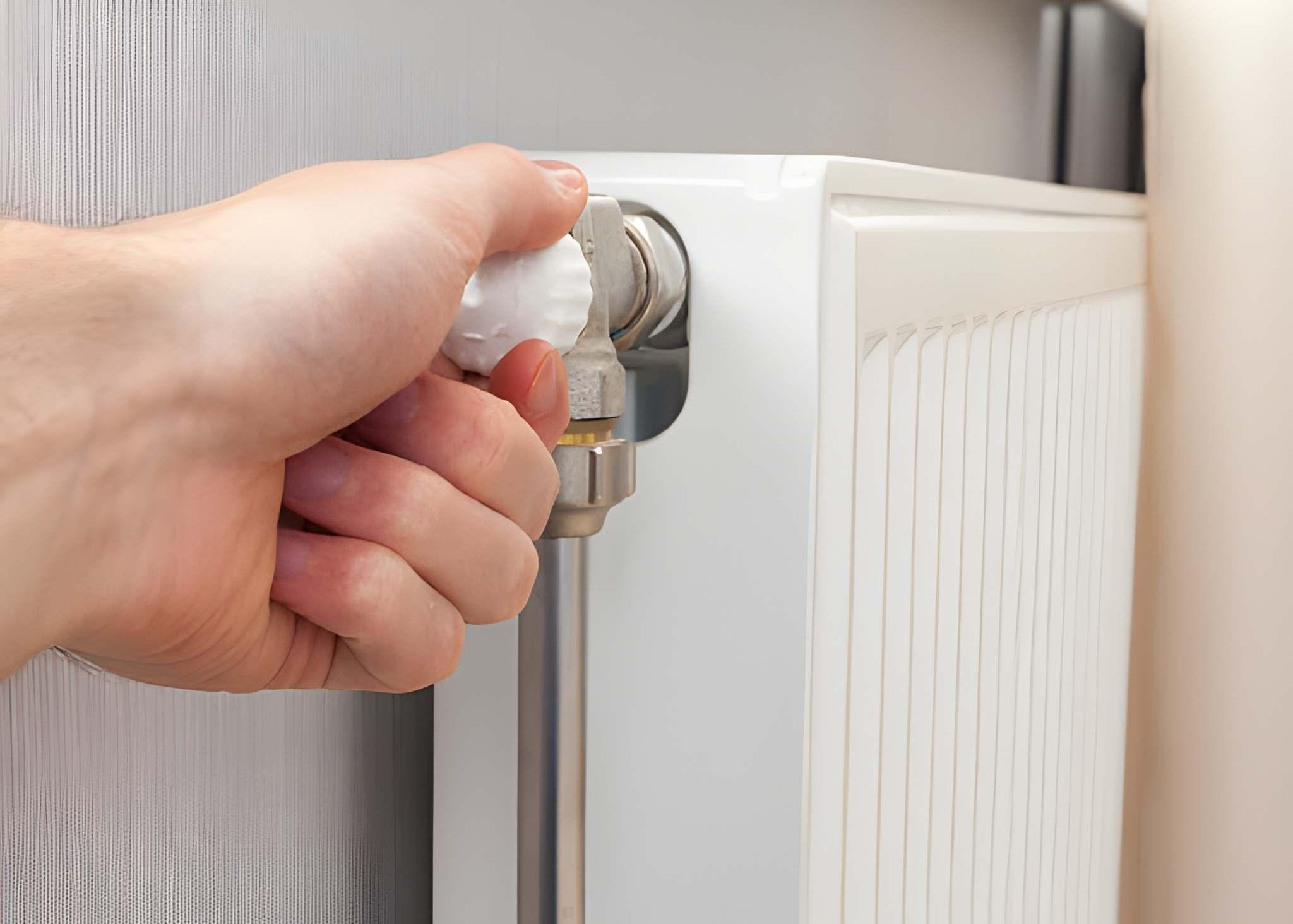
Tottenham’s rental market is fast-moving, diverse, and heavily scrutinised. Properties range from Victorian terraces converted into multi-lets to newer developments sitting beside decades-old infrastructure. In this environment, gas safety is not theoretical — it’s operational. A Gas Safety Certificate in Tottenham is often the difference between smooth tenancy management and regulatory headaches.
Landlords who understand how inspections actually unfold — not just what the law says — are the ones who stay compliant without last-minute panic
What a Gas Safety Certificate Proves in Real Terms
Legally, the certificate confirms that landlord-supplied gas appliances, pipework, and flues are safe at the time of inspection. Practically, it demonstrates that the system can operate under everyday conditions without endangering occupants.
A proper assessment confirms:
-
Stable gas pressure across the system
-
Safe combustion within each appliance
-
Functional safety devices and shut-off controls
-
Correct flue routing and termination
-
Permanent ventilation sized for appliance demand
In Tottenham, where properties are frequently altered between tenancies, these checks are rarely routine.
Tottenham Housing Stock: Why Generic Inspections Fall Short
Tottenham presents specific challenges that experienced engineers anticipate immediately.
Local Risk Patterns Seen on Inspections
-
Former single-family homes converted into HMOs
-
Kitchens relocated without pipework upgrades
-
Boilers boxed in to gain storage space
-
Flues altered during loft or rear extensions
-
Ventilation blocked during energy-efficiency upgrades
Many systems still function — but no longer meet current safety standards. That’s why a Gas Safety Certificate in Tottenham must be based on judgement, not box-ticking.
What Actually Happens During a Professional Inspection
A competent inspection follows a disciplined process designed to identify both current and developing risks.
1. Visual Safety Survey
Before any tools are used, the engineer assesses the appliance's positioning, signs of overheating, corrosion, and any historical modifications.
2. Gas Tightness and Pressure Testing
This determines whether the system can safely supply gas to all appliances operating simultaneously.
3. Appliance-Specific Analysis
Each appliance is tested individually for ignition, combustion quality, flame stability, and safety cut-out response.
4. Flue Performance and Airflow Checks
Flue draw and ventilation are assessed — a common failure point in densely populated areas like Tottenham.
5. Clear Documentation and Guidance
Results are recorded with clear classifications, explaining what must be fixed now versus what should be monitored.
Established providers such as gassafetycertificateuk.co.uk focus on clarity, ensuring landlords understand both risk and responsibility.
Who is Legally Responsible for Certification?
You must hold a valid Gas Safety Certificate in Tottenham if you supply gas appliances to tenants — regardless of property size.
This applies to:
-
Private landlords
-
HMO licence holders
-
Letting and managing agents
-
Housing associations
-
Short-term and serviced accommodation operators
Certificates must be renewed every 12 months and shared with tenants within 28 days. New tenants must receive one before occupation.
Failure to comply can invalidate insurance, undermine eviction proceedings, and result in enforcement action.
Why Properties Fail Inspections in Tottenham
Most failures are preventable and linked to gradual changes rather than sudden faults.
Common causes include:
-
Reduced or blocked ventilation
-
Flues compromised during refurbishments
-
Appliances not serviced regularly
-
DIY cooker or hob installations
-
Incorrect gas pressure following upgrades
Routine servicing and early inspections significantly reduce failure rates.
Cost Versus Risk: Understanding What You’re Paying For
The cost of a Gas Safety Certificate in Tottenham reflects professional accountability, not just time on site.
It covers:
-
Qualified technical assessment
-
Legal compliance protection
-
Professional indemnity and liability
-
Accurate reporting for audits
-
Early detection of dangerous faults
Low-cost inspections often mean rushed checks — and missed problems that surface later under pressure.
Renewal Timing and Smart Compliance Strategy
Certificates last 12 months, but renewal is permitted up to two months early without affecting expiry.
Experienced landlords:
-
Align inspections with boiler servicing
-
Keep digital and paper records
-
Set reminders well ahead of expiry
-
Document all access attempts when tenants delay entry
This approach provides a paper trail that protects landlords during disputes or council checks.
Choosing the Right Engineer Makes a Difference
In Tottenham’s mixed housing stock, experience matters more than speed.
Look for engineers who:
-
Understand converted and multi-let properties
-
Explain findings clearly and practically
-
Don’t rush inspections
-
Provide compliant documentation
-
Avoid unnecessary upselling
This is why many property professionals continue working with gassafetycertificateuk.co.uk, valued for consistent, methodical inspections.
Why Certification Protects More Than Tenants
While tenant safety is paramount, a valid Gas Safety Certificate in Tottenham also protects landlords.
It:
-
Reduces personal and financial liability
-
Strengthens insurance validity
-
Demonstrates professional management
-
Supports property valuation and resale
-
Builds tenant trust and retention
In regulated boroughs, documentation is often your first line of defence.
Final Word: Gas Safety Is an Ongoing Responsibility
Gas systems age. Properties evolve. Regulations tighten. Treating certification as an annual chore is a mistake. A Gas Safety Certificate in Tottenham should be part of a broader risk-management mindset — one that prioritises safety, compliance, and long-term asset protection.
Those who take this seriously rarely face surprises. Those who don’t often learn the lesson the hard way.
Frequently Asked Questions (FAQs)
1. Does certification include gas meters and regulators?
Yes. Engineers assess the meter installation and regulators as part of system safety.
2. Can a tenant’s appliance cause a failed inspection?
Tenant-owned appliances are excluded, but unsafe conditions may still be recorded as advisory concerns.
3. What happens if an appliance is labelled unsafe?
It must not be used until it has been repaired or replaced and re-checked by a qualified engineer.
4. Is certification required between tenancies?
Yes. If the certificate expires, a new one must be issued before re-letting.
5. Are external gas pipe runs inspected?
Yes. Visible external pipework is checked for corrosion, support, and protection.

 English
 Arabic
 French
 Spanish
 Deutsch
 Turkish
 Dutch
Dutch
 Italiano
 Russian
 Romaian
 Portuguese (Brazil)
 Greek
Greek
