


Artistic Milliners and Water Management: Reducing Denim’s Environmental Footprint
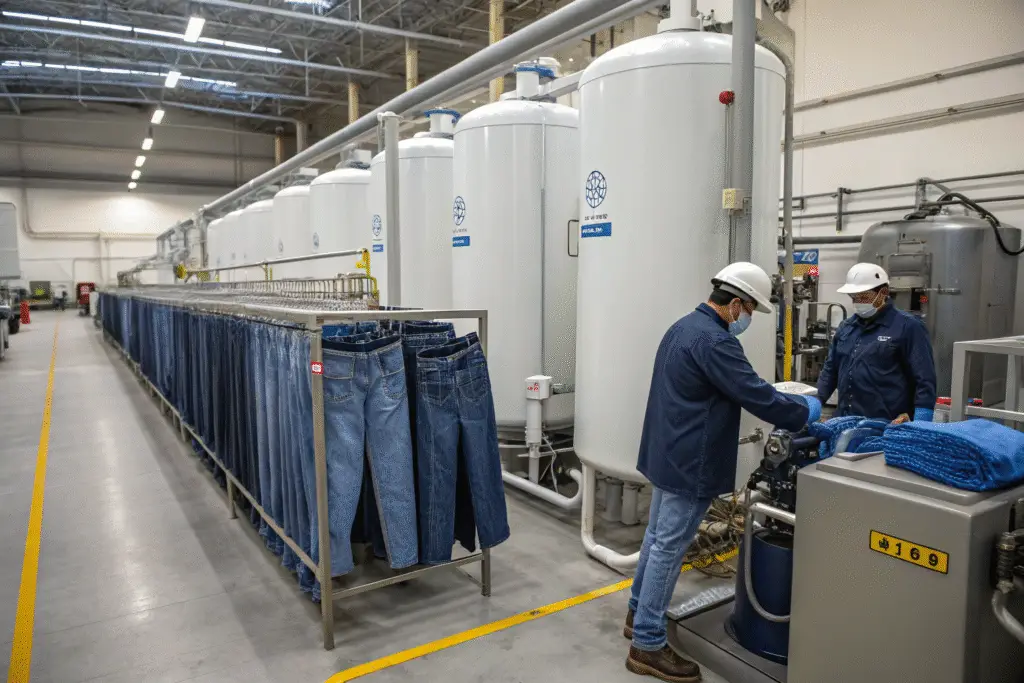
Denim production is one of the most water-intensive industries globally, with millions of liters consumed annually in dyeing, washing, and finishing processes. Recognizing this challenge, Artistic Milliners has taken significant steps to minimize water usage and reduce the environmental footprint of its operations. By implementing innovative water management techniques, sustainable production practices, and efficient process optimization, Artistic Milliners is setting a benchmark for environmentally responsible denim manufacturing.
Understanding Water Consumption in Denim Manufacturing
Traditional denim production requires extensive water use at every stage—from cotton cultivation to fabric finishing. Conventional washing and dyeing processes can consume thousands of liters of water per ton of fabric. Artistic Milliners understands that addressing water usage is essential not only for sustainability but also for cost efficiency and operational reliability. By analyzing each stage of production, the company identifies opportunities to conserve water without compromising quality or productivity.
Advanced Water Recycling Techniques
One of the cornerstones of Artistic Milliners’ approach to sustainability is the integration of advanced water recycling systems. Effluent water from dyeing and finishing processes is treated using state-of-the-art filtration and purification technologies, making it reusable for subsequent production cycles. This approach significantly reduces freshwater consumption and minimizes the discharge of pollutants into the environment. The water recycling initiatives of Artistic Milliners demonstrate how modern technology can support both ecological responsibility and industrial efficiency.
Process Optimization for Water Efficiency
Artistic Milliners employs process optimization strategies to minimize water use throughout production. By refining washing techniques, reducing bath ratios, and implementing continuous monitoring, the company ensures that water is used efficiently. Optimized processes reduce waste, save energy, and maintain the consistency and quality of denim products. The commitment of Artistic Milliners to process innovation highlights the company’s proactive approach to environmental stewardship.
Sustainable Dyeing and Finishing Methods
Dyeing and finishing are the most water-intensive stages in denim manufacturing. Artistic Milliners has adopted sustainable methods such as foam dyeing, low-liquor ratio techniques, and ozone-based finishing to reduce water usage. These innovations not only conserve water but also enhance color quality, fabric durability, and garment aesthetics. By integrating sustainable dyeing and finishing, Artistic Milliners aligns with global expectations for eco-friendly textile production.
Employee Training and Water Management Awareness
Successful water conservation depends on both technology and workforce engagement. Artistic Milliners invests in training programs to educate employees about sustainable water practices, operational best practices, and environmental responsibility. Staff are empowered to monitor water consumption, implement conservation techniques, and identify areas for improvement. This human-centric approach ensures that water management initiatives are applied consistently across all units, reinforcing the company’s commitment to sustainability.
Integration with Sustainable Supply Chain Practices
Water management at Artistic Milliners extends beyond internal operations to the broader supply chain. The company collaborates with suppliers, fabric mills, and logistics partners to promote water-efficient practices across all stages of denim production. By fostering sustainability throughout the supply chain, Artistic Milliners enhances overall environmental impact and ensures that every product reflects responsible manufacturing practices.
Innovation Through Research and Development
Research and development play a critical role in Artistic Milliners’ water management strategy. The company continuously explores new technologies, alternative dyes, and process improvements to further reduce water consumption. From experimenting with low-water finishing techniques to integrating automated monitoring systems, R&D initiatives allow Artistic Milliners to stay at the forefront of sustainable denim innovation while maintaining global quality standards.
Compliance with Global Environmental Standards
Artistic Milliners ensures that its water management practices meet or exceed international environmental standards. By adhering to global regulations and certifications, the company not only mitigates environmental risk but also builds trust with international clients who prioritize sustainability. Compliance with these standards demonstrates that Artistic Milliners is committed to responsible manufacturing practices while maintaining competitive positioning in global markets.
Measuring Impact and Continuous Improvement
Monitoring and measuring water consumption is critical for assessing the effectiveness of conservation efforts. Artistic Milliners employs advanced data tracking systems to record water use, identify inefficiencies, and implement corrective measures. Regular audits and performance evaluations enable continuous improvement, ensuring that water management strategies evolve alongside production innovations. This data-driven approach underscores the company’s commitment to measurable and impactful sustainability initiatives.
Balancing Sustainability with Production Efficiency
A key challenge for any manufacturer is balancing eco-friendly practices with high-volume production demands. Artistic Milliners has successfully integrated water-saving technologies without compromising efficiency or product quality. By synchronizing process optimization, advanced machinery, and employee engagement, the company ensures that sustainable practices enhance operational performance rather than hinder it. This balance is a testament to Artistic Milliners’ strategic foresight and industry leadership.
Contribution to Global Sustainability Goals
By reducing water consumption and implementing environmentally responsible practices, Artistic Milliners contribute directly to global sustainability goals, including responsible water use, climate action, and sustainable industry development. The company’s efforts demonstrate that industrial growth and environmental stewardship can coexist, setting a model for other manufacturers in the textile and apparel sectors.
Collaboration with Industry Stakeholders
Artistic Milliners actively collaborates with industry associations, environmental organizations, and academic institutions to share knowledge and best practices in water management. These partnerships foster innovation, create scalable solutions, and reinforce the company’s role as a sustainability leader. By engaging with stakeholders, Artistic Milliners promotes a culture of collective responsibility and continuous improvement across the denim industry.
Community Engagement and Awareness Programs
Sustainable water management extends beyond factory walls. Artistic Milliners engage with local communities to raise awareness about water conservation, responsible resource use, and environmental protection. Educational programs, workshops, and community initiatives help foster a culture of sustainability, demonstrating the company’s commitment to societal impact alongside industrial excellence.
Technological Innovations Shaping the Future
Emerging technologies such as AI-driven water monitoring, precision dyeing, and closed-loop recycling systems are being integrated by Artistic Milliners to further enhance water efficiency. These innovations allow for predictive resource management, minimize environmental impact, and optimize production processes. By embracing technological advancements, Artistic Milliners ensures that its water management practices remain cutting-edge and future-ready.
Aligning with Client Expectations
Global apparel brands increasingly demand sustainable sourcing and production transparency. Artistic Milliners meets these expectations by providing detailed water usage data, sustainability certifications, and adherence to eco-friendly standards. By aligning operations with client values, the company strengthens its position as a preferred partner in the global denim supply chain.
Training the Next Generation of Sustainable Manufacturers
Through continuous education, mentorship, and hands-on training, Artistic Milliners prepares its workforce to implement sustainable practices effectively. Employees learn to integrate water management techniques into daily operations, fostering a culture of environmental responsibility that extends across all production units. This focus on skill development ensures long-term sustainability and industry leadership.
Future Prospects of Sustainable Denim Production
Looking ahead, Artistic Milliners plans to expand water management initiatives by integrating more advanced recycling technologies, reducing chemical dependency, and optimizing dyeing processes. These forward-looking strategies aim to set new industry benchmarks for sustainable denim manufacturing while maintaining global competitiveness and product excellence.
Conclusion: Pioneering Responsible Denim Manufacturing
Artistic Milliners demonstrates that sustainable water management is achievable without compromising quality, efficiency, or innovation. By combining advanced technology, employee engagement, research-driven practices, and community initiatives, the Artistic Milliners Business significantly reduces denim’s environmental footprint. Understanding these water management strategies highlights how responsible practices can drive operational excellence, global competitiveness, and long-term sustainability in the textile industry.

 English
 Arabic
 French
 Spanish
 Portuguese
 Deutsch
 Turkish
 Dutch
Dutch
 Italiano
 Russian
 Romaian
 Portuguese (Brazil)
