


The Digital Gatekeeper: Understanding the Modern Self Storage Software Industry
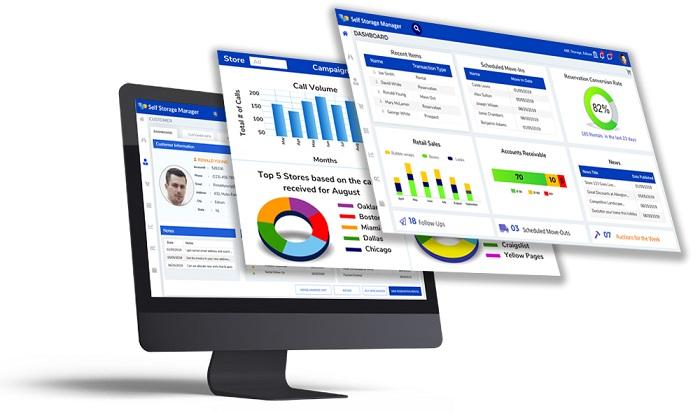
The humble self-storage facility, once managed with ledgers, rolodexes, and physical key logs, has undergone a profound digital transformation. This revolution is powered by the specialized and increasingly sophisticated Self Storage Software industry, a sector dedicated to providing the central nervous system for modern storage operations. At its core, self-storage software is a highly specialized form of property management software (PMS) designed specifically for the unique demands of the storage business. It automates and streamlines every facet of facility management, from tracking unit inventory and managing tenant leases to processing payments and controlling physical access to the property. By replacing manual, error-prone processes with an integrated, cloud-based platform, this software empowers facility owners and managers to operate more efficiently, reduce administrative overhead, enhance security, and deliver a superior customer experience. It has evolved from a simple billing tool into a comprehensive business management platform that is now considered an indispensable asset for any operator looking to compete and thrive in today's dynamic market, serving as the digital gatekeeper for millions of storage units worldwide.
The foundational purpose of self-storage software is to bring order and efficiency to the day-to-day management of a facility. The core of any platform is the unit management module. This typically includes a visual, interactive map of the entire facility, allowing managers to see the status of every single unit at a glance—whether it's occupied, vacant, reserved, or delinquent. From this interface, managers can process new move-ins, handle move-outs, and manage transfers between units. This is intricately linked with the tenant management module, which acts as a customer relationship management (CRM) system for the facility. It maintains a detailed record for each tenant, including their contact information, lease documents, payment history, and any communication logs. This centralized database is critical for everything from sending rent reminders to managing the lien and auction process for delinquent accounts. By automating these core administrative tasks, the software frees up managers from tedious paperwork, allowing them to focus on higher-value activities like sales, marketing, and providing excellent customer service, which directly impacts the facility's profitability and reputation.
Beyond core administrative functions, a modern self-storage software platform provides a suite of powerful tools for financial management and reporting. The billing and invoicing engine is a cornerstone of the platform, capable of automatically generating monthly statements, processing recurring payments via credit card or ACH, and applying late fees based on predefined rules. This level of automation drastically reduces the time spent on collections and improves cash flow consistency. Critically, these platforms offer deep integration with payment gateways, ensuring secure and compliant transaction processing. The software also serves as a powerful business intelligence tool. It generates a wide range of detailed reports that give owners unprecedented insight into their business performance. These can include occupancy reports (by unit size and type), revenue analysis, delinquency tracking, and marketing source attribution. This data-driven approach allows owners to identify trends, pinpoint underperforming areas of their business, and make informed strategic decisions about pricing, marketing spend, and expansion opportunities, transforming facility management from a gut-feel exercise into a data-backed science.
A key evolution in the industry has been the integration of the software with the physical hardware of the facility, most notably the access control systems. Modern self-storage software can seamlessly integrate with electronic gate keypads, and in more advanced setups, with smart locks on individual units. This creates a powerful, automated security ecosystem. When a new tenant signs their lease and pays their first bill, the software can automatically generate a unique access code for the gate and activate their unit's smart lock. If that tenant becomes delinquent on their rent, the software can automatically restrict their gate access and lock them out of their unit until the payment is made. This eliminates the need for manual overlocking and reduces the potential for confrontational situations. This deep integration between the digital management platform and the physical security infrastructure not only enhances security but also significantly improves operational efficiency, particularly in the pursuit of partially or even fully unmanned facility operations, a major trend shaping the future of the industry.
Top Trending Reports:
Generative AI in Oil & Gas Market

 English
 Arabic
 French
 Spanish
 Portuguese
 Turkish
 Dutch
Dutch
 Italiano
 Russian
 Romaian
 Portuguese (Brazil)
 Greek
Greek
