


What Training Standards Should a Professional Home Care Caregiver Have
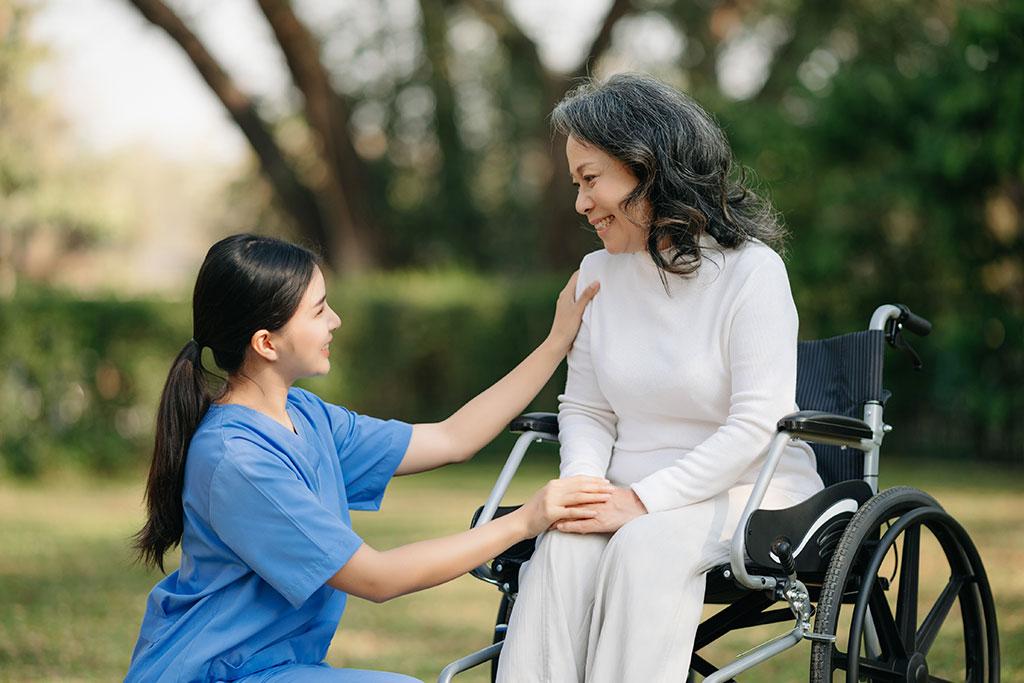
When you bring a caregiver into your home, you are placing real trust in one person. That person will help your loved one bathe, eat, move around safely, and get through each day with dignity. How well they do that job comes down almost entirely to the training they have received. Not every caregiver arrives with the same preparation, and knowing what proper training looks like helps you make a far more confident decision.
Why Training Standards Define the Quality of Care
A caregiver's attitude matters, but attitude without skills only goes so far. Seniors, individuals with disabilities, and people recovering from illness have specific physical and emotional needs. A caregiver who has been properly trained knows how to assist with mobility without causing injury, how to spot changes in a client's condition, and how to handle difficult moments with calm and professionalism.
Agencies that invest in building credible professional home care services build that investment into every hire. They do not just screen for personality - they verify credentials, assess skills, and continue education after a caregiver has been placed with a client.
Core Training Areas Every Caregiver Should Cover
Before being placed with a client, a qualified caregiver should have completed training in several key areas. These are not extras - they are the baseline that any reputable agency should require.
• Activities of daily living: Bathing, dressing, grooming, meal preparation, and mobility assistance
• Safety and fall prevention: How to move clients safely, identify fall risks at home, and use assistive devices correctly
• Infection control: Basic hygiene protocols, hand-washing practices, and preventing the spread of illness
• Communication: How to interact with clients who have cognitive or physical limitations
• Emergency response: What to do in a medical situation before professional help arrives
These fundamentals should be part of any home care agency's onboarding process. If an agency cannot tell you what their training program covers, that is a red flag worth paying attention to.
Dementia and Alzheimer's Training - A Skill Set of Its Own
Caring for someone with dementia is genuinely different from general caregiving. Memory loss, behavioral changes, and communication difficulties require specific techniques. A caregiver without dementia training can unintentionally cause distress simply through the wrong approach or response to a difficult moment.
Caresify addresses this directly. Their Caresify Dementia Support Program (CDSP) is led by NCCDP-accredited Care Managers, and caregivers go through more than 11 hours of dedicated dementia education. That is well above what most agencies require. Caregivers trained through this program know how to de-escalate behavioral episodes, support daily routines, and preserve dignity throughout the caregiving relationship.
Fall Prevention as a Trained Discipline
Falls are one of the leading causes of injury among older adults. A caregiver without fall prevention training may not recognize risks that a trained professional would catch on the first visit - a loose rug, poor lighting in a hallway, or a bathroom without grab bars.
Caresify runs a dedicated program called SAFE Steps, which trains every home support caregiver in proven fall prevention strategies and home modification techniques. This is not a checklist exercise. It is a practiced skill applied on every visit to keep clients safer at home.
Professional Conduct and Confidentiality Training
Training does not stop at physical care. How a caregiver behaves inside someone's home matters just as much as what they do. Respecting boundaries, maintaining client privacy, and carrying themselves with professionalism are learned behaviors that credible training programs take seriously.
Caresify holds every team member to a high standard of discretion. All staff operate under Non-Disclosure Agreements (NDAs), which means client privacy is protected as a formal policy, not just an expectation. That level of accountability tells you a great deal about how an agency runs its operations.
Ongoing Supervision and Skills Verification
Initial training is the starting point, not the finish line. Good agencies follow up with continuing education, regular performance checks, and clinical oversight to make sure care quality holds over time.
Caresify includes free nurse check-ins and wellness visits for all clients. These visits give supervisors the opportunity to observe care quality directly and provide caregivers with real-time feedback. That structure keeps standards high long after the initial placement.
What Joint Commission Accreditation Tells You About an Agency
Accreditation is one of the most reliable signals you have when choosing a home care agency. Caresify holds Joint Commission Accreditation, which is widely recognized as the gold standard in the home care industry. Earning this credential means that the agency's programs, hiring processes, training protocols, and care delivery have been independently reviewed and verified against strict quality benchmarks.
Not every agency seeks this level of accountability. Choosing one that does removes a significant amount of guesswork from one of the most important decisions a family can make.
Frequently Asked Questions
Q1: How many hours of training should a caregiver have before working with clients?
There is no single national standard, but quality agencies typically require a minimum of 75 hours of pre-service training. Specialized programs such as dementia care should include additional hours on top of that baseline. Caresify's dementia-specific training alone exceeds 11 hours, which reflects a serious commitment to specialized skills.
Q2: Does training differ for caregivers working with dementia patients?
Yes, significantly. Dementia care requires knowledge of behavioral patterns, communication strategies, and safety techniques that general care training does not cover. Agencies like Caresify offer structured dementia education programs specifically for this reason, led by NCCDP-accredited managers who specialize in memory care.
Q3: How can I verify that a caregiver has been properly trained?
Ask the agency directly for documentation of their training program, any certifications their caregivers hold, and whether they have earned third-party accreditation. A reputable agency will share this information without hesitation. Joint Commission Accreditation is one of the most reliable indicators that training standards are being actively met and monitored.

 Arabic
 French
 Spanish
 Portuguese
 Deutsch
 Turkish
 Dutch
Dutch
 Italiano
 Russian
 Romaian
 Portuguese (Brazil)
 Greek
Greek
