


Robotic Spine Surgery Al Ain: Procedure and Recovery Guide
Spine problems can affect movement, comfort, sleep, and everyday activities. When medicines, physical therapy, or other non-surgical treatments do not provide enough relief, surgery may sometimes be considered.
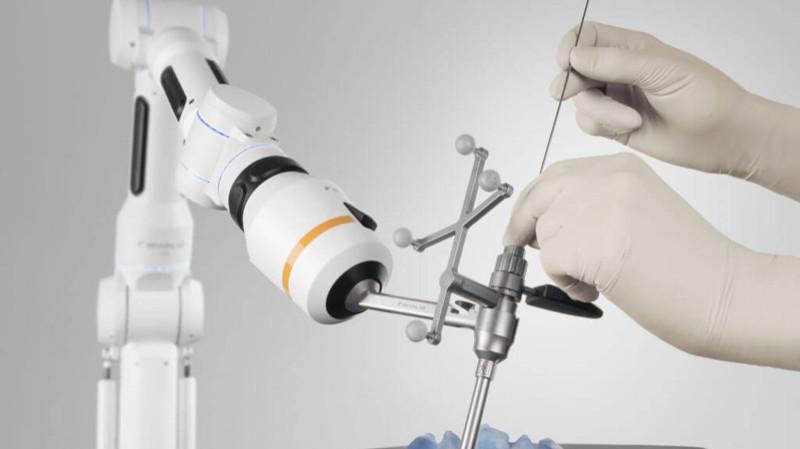
One modern approach used in selected spinal procedures is robotic-assisted surgery. Robotic spine surgery Al Ain combines the surgeon’s experience with advanced computer-assisted technology to help plan and guide certain parts of a spinal operation.
Robotic technology does not replace the surgeon. Instead, it can provide detailed planning and guidance during surgery. The exact benefits depend on the type of spine condition, the procedure being performed, and the patient’s individual health.
What Is Robotic Spine Surgery?
Robotic spine surgery is a surgical approach that uses computer-based planning and robotic assistance during selected spinal procedures. The surgeon remains responsible for the operation and controls the surgical process.
Before surgery, medical images such as CT scans or MRI scans may be used to create a detailed view of the spine. This information can help the surgical team plan the procedure and determine the position of surgical instruments or implants.
During the operation, robotic guidance may help the surgeon follow the planned pathway. This can be particularly useful when precise placement is needed, such as during some spinal fusion procedures.
It is important to understand that robotic surgery does not mean that a robot performs the operation independently. The surgeon makes the important decisions throughout the procedure.
Why Is Robotic Assistance Used in Spine Surgery?
The spine contains important nerves, bones, joints, and other structures. Surgical procedures therefore require careful planning and accurate execution.
Robotic assistance may be used to support:
- Detailed surgical planning
- Accurate positioning of certain spinal implants
- Guidance during selected procedures
- Consistency between the planned and actual surgical approach
- Visualization and navigation during surgery
- Management of complex spinal anatomy
The use of robotic technology varies between hospitals and procedures. Not every patient needs robotic assistance, and not every spinal operation is suitable for this approach.
Which Spine Conditions May Require Surgery?
Robotic-assisted techniques may be considered for certain patients who need spinal surgery. The decision depends on the diagnosis, symptoms, imaging results, overall health, and previous treatment.
Conditions that may sometimes require spinal surgery include:
Herniated Disc
A herniated disc occurs when the soft inner material of a spinal disc pushes through its outer layer. If the disc presses on a nearby nerve, it can cause pain, numbness, tingling, or weakness.
Many disc problems improve with conservative treatment. Surgery may be considered when symptoms are severe, persistent, or associated with certain neurological problems.
Spinal Stenosis
Spinal stenosis means that the space available for the spinal cord or nerves has become narrower. It can cause back pain, leg pain, numbness, or difficulty walking.
Depending on the cause and severity, surgery may be used to relieve pressure on the affected nerves.
Spinal Instability
When the spine does not remain properly aligned or stable, surgery may sometimes be recommended. Spinal fusion is one procedure that may be used to stabilize certain parts of the spine.
Robotic guidance can be useful in selected fusion procedures where accurate implant placement is important.
Spondylolisthesis
Spondylolisthesis occurs when one vertebra moves forward or backward in relation to another vertebra. Some people have mild symptoms, while others may experience significant pain or nerve-related symptoms.
Treatment depends on the severity and cause. Surgery may be considered when non-surgical treatment does not provide sufficient improvement.
Spinal Deformities
Some patients have spinal alignment problems or deformities that require surgical correction. These procedures can be complex because several parts of the spine may need to be considered during planning.
Advanced imaging, navigation, and robotic assistance may be used in selected cases.
How Is Robotic Spine Surgery Planned?
Careful preparation is an important part of spinal surgery. The medical team first evaluates the patient and determines whether surgery is appropriate.
The process may include:
1. Medical Evaluation
The surgeon reviews the patient’s symptoms, medical history, previous treatments, and physical examination results.
The purpose is to understand the source of the problem and determine whether surgery is likely to help.
2. Imaging Tests
Imaging can provide detailed information about the spine. Depending on the condition, the patient may need X-rays, MRI scans, CT scans, or other tests.
CT imaging may be particularly useful when detailed information about the spinal bones is required for computer-assisted planning.
3. Surgical Planning
The imaging information can be used to create a digital representation of the relevant spinal area.
The surgeon can use this information to plan the surgical approach and determine where certain instruments or implants may need to be positioned.
4. Discussion With the Patient
Before surgery, the patient should understand the purpose of the procedure, possible benefits, risks, alternatives, and expected recovery.
Patients should also discuss existing medicines, allergies, previous surgeries, and other relevant health information with their medical team.
What Happens During Robotic Spine Surgery?
The exact procedure depends on the spinal condition and type of surgery.
In general, the patient is prepared for surgery and receives anesthesia according to the planned procedure. The surgical team positions the patient carefully and prepares the surgical area.
The surgeon then accesses the affected part of the spine. Robotic or navigation technology may be used to provide guidance based on the surgical plan.
For procedures involving spinal implants, the technology may help guide the surgeon toward the planned position. The surgeon continuously controls and verifies the procedure.
After the necessary spinal work is completed, the surgical area is closed and the patient is moved to a recovery area for monitoring.
The duration of surgery varies widely. A relatively straightforward procedure may take less time than a complex spinal reconstruction involving multiple levels.
Is Robotic Spine Surgery Minimally Invasive?
Some robotic-assisted spinal procedures can be performed using minimally invasive techniques, but robotic assistance and minimally invasive surgery are not the same thing.
Minimally invasive surgery generally aims to reduce the size or extent of surgical access where appropriate. Robotic technology, on the other hand, provides planning and guidance.
A procedure can use robotic assistance without being fully minimally invasive. The approach depends on the patient's condition and the surgical plan.
Patients should ask their surgeon what surgical approach is being recommended and why it is appropriate for their specific condition.
Potential Benefits of Robotic-Assisted Spine Surgery
The potential advantages depend on the procedure and the patient. Robotic assistance may provide:
More Detailed Planning
Computer-based planning can help the surgeon study the patient's spinal anatomy before the operation.
Guidance During Implant Placement
For procedures involving screws or other implants, navigation and robotic guidance may assist with positioning.
Support for Complex Procedures
Patients with unusual anatomy or complex spinal problems may benefit from detailed preoperative planning and intraoperative guidance.
Consistent Surgical Guidance
The technology can help the surgical team follow the planned approach during selected procedures.
However, robotic surgery is not automatically better for every patient. The surgeon must determine whether it offers a meaningful benefit for the particular operation.
What Are the Risks?
Spinal surgery carries risks, regardless of whether robotic technology is used.
Possible risks can include:
- Infection
- Bleeding
- Blood clots
- Nerve irritation or injury
- Persistent pain
- Changes in sensation
- Weakness
- Problems related to anesthesia
- Implant-related problems
- Failure of the spine to heal as expected after fusion
- Need for additional surgery
The level of risk varies according to the procedure, the patient's general health, the spinal condition, and other factors.
Robotic assistance does not remove all surgical risks. Patients should have a detailed discussion with their surgeon before making a treatment decision.
Preparing for Surgery
Good preparation can help patients approach surgery with a clear understanding of what to expect.
Before the procedure, the medical team may provide instructions about eating, drinking, medicines, and other preparations.
Patients should tell the medical team about all medicines and supplements they take. Some medicines may need to be adjusted before surgery, but patients should never stop prescribed medicines without medical advice.
It can also be helpful to prepare the home for the recovery period. Frequently used items should be placed somewhere easy to reach, and patients may need assistance with certain daily activities during the early recovery period.
What Happens Immediately After Surgery?
After surgery, the patient is monitored while recovering from anesthesia.
Pain management is an important part of early recovery. The medical team may use medicines and other measures to keep discomfort under control.
In many cases, patients are encouraged to begin moving as soon as it is considered safe. Early movement can support recovery and reduce the risk of certain complications.
The length of hospital stay depends on the operation and the patient's condition. Some procedures may require a short hospital stay, while more complex operations may require longer monitoring.
Robotic Spine Surgery Recovery
Recovery is different for every patient. The type of surgery has a major effect on how quickly normal activities can be resumed.
During the early period, patients may experience soreness, stiffness, tiredness, or temporary limitations in movement.
The surgeon may recommend walking and gentle activity as part of recovery. Physical therapy may also be advised depending on the procedure.
Patients should follow the instructions given by their surgical team rather than comparing their recovery with another person's experience.
First Few Days
The focus is usually on pain control, safe movement, wound care, and basic daily activities.
Patients may need help getting around, especially after more extensive procedures.
First Few Weeks
Activity is usually increased gradually. Walking may become easier, but strenuous exercise and heavy lifting may still be restricted.
The surgical team may provide specific instructions about driving, work, bending, lifting, and exercise.
Following Months
Some spinal procedures require several months for complete recovery. Fusion surgery, in particular, may require a longer healing period because the bones need time to grow together.
Follow-up appointments allow the surgeon to monitor healing and address any concerns.
When Can You Return to Work?
There is no single recovery timeline for everyone.
A person with a desk-based job may return to work sooner than someone whose job involves lifting, bending, climbing, or physical labor.
The timing depends on:
- Type of spinal surgery
- Number of spinal levels treated
- Overall health
- Progress during recovery
- Type of work
- Surgeon’s recommendations
Patients should receive individual guidance before returning to work or demanding physical activities.
Tips for a Safe Recovery
Following postoperative instructions is one of the most important parts of recovery.
Some general principles include:
- Take medicines exactly as prescribed.
- Keep the surgical wound clean and follow wound-care instructions.
- Walk as recommended by the medical team.
- Avoid lifting or strenuous activity until cleared.
- Attend scheduled follow-up appointments.
- Follow physical therapy instructions if therapy is recommended.
- Maintain a balanced diet and adequate hydration.
- Contact the medical team if new or worsening symptoms develop.
These are general guidelines. The instructions provided by the treating surgical team should always take priority.
Signs That Need Medical Attention
Patients should contact their medical team if they notice symptoms that are unusual or getting worse.
These may include:
- Increasing pain that does not improve with prescribed treatment
- Fever
- Redness, swelling, or drainage around the incision
- New weakness
- Increasing numbness
- Difficulty walking
- Loss of bladder or bowel control
- Severe or unexpected symptoms
Some symptoms can require urgent medical evaluation. Patients should follow the emergency instructions provided by their healthcare team.
Questions to Ask Before Robotic Spine Surgery
Choosing spinal surgery is an important decision. Patients should feel comfortable asking questions before treatment.
Useful questions include:
- What is causing my symptoms?
- Do I need surgery?
- Are there non-surgical treatments I should try first?
- Why is robotic assistance being considered?
- What type of spinal procedure is planned?
- What are the expected benefits?
- What are the possible risks?
- How long might recovery take?
- When can I return to work?
- Will I need physical therapy?
- What restrictions should I follow after surgery?
- What symptoms should lead me to contact the medical team?
Clear communication can help patients understand their treatment and prepare realistically for recovery.
Is Robotic Spine Surgery Suitable for Everyone?
No. Robotic assistance is not appropriate or necessary for every patient.
The decision depends on the diagnosis, spinal anatomy, planned procedure, available technology, and surgeon's assessment.
A patient should not choose robotic surgery simply because it is a newer technology. The most suitable treatment is the one that addresses the patient's condition safely and appropriately.
A detailed evaluation is therefore important before deciding on surgery.
How to Choose a Spine Surgery Center in Al Ain
Patients considering spinal surgery should look for a healthcare facility with an experienced spine surgery team and appropriate diagnostic and surgical resources.
Important factors to consider include:
- Experience with the planned procedure
- Availability of appropriate imaging and navigation technology
- Surgical and anesthesia support
- Postoperative monitoring
- Rehabilitation or physical therapy support
- Clear communication about risks and recovery
- Follow-up care after surgery
Patients should also make sure they understand the complete treatment plan before proceeding.
Conclusion
Robotic-assisted spine surgery is a technology-supported approach that can help surgeons plan and perform selected spinal procedures with detailed guidance. It may be considered for conditions that require procedures such as spinal stabilization, fusion, or other forms of surgical treatment.
The recovery process depends on the type of surgery and the patient's individual health. Careful preparation, following postoperative instructions, attending follow-up appointments, and gradually increasing activity can all support recovery.
If you are considering robotic spine surgery Al Ain, discuss your symptoms, treatment options, expected benefits, and possible risks with a qualified spine surgeon. Dr. Hassan Seif can evaluate your condition and explain whether robotic-assisted surgery is appropriate for your specific spinal problem.

 English
 Arabic
 French
 Spanish
 Portuguese
 Deutsch
 Turkish
 Dutch
Dutch
 Russian
 Romaian
 Portuguese (Brazil)
 Greek
Greek
