


Best Fabrics Used in Washable Period Underwear for Comfort
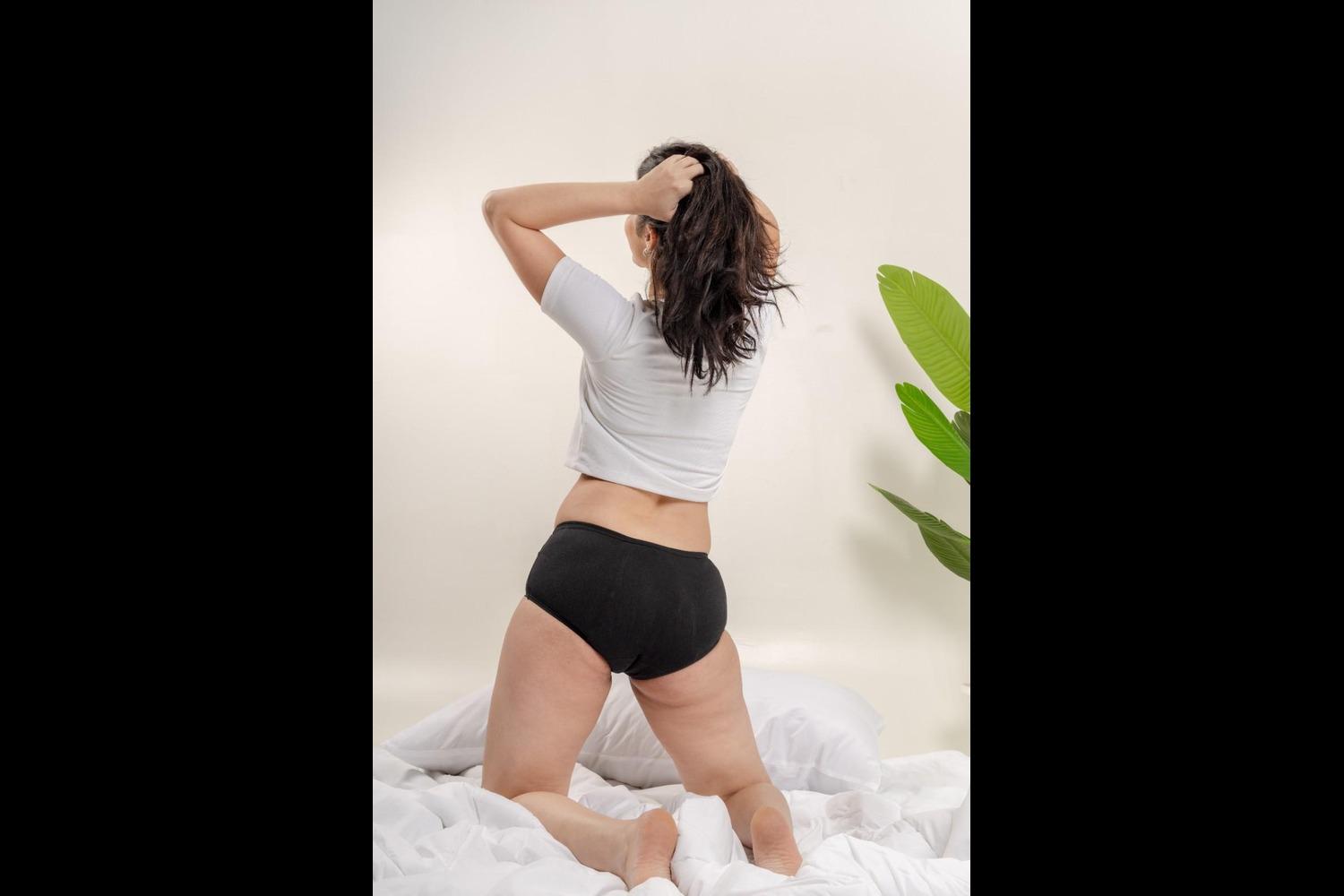
Periods have come a long way from relying solely on disposable products. More people today are looking for sustainable, comfortable, and reliable menstrual care options that fit seamlessly into their daily lives. One product that has gained significant attention is washable period underwear. Designed with multiple layers of advanced fabrics, these underwear offer leak protection while remaining soft, breathable, and reusable.
However, not all period underwear is created equal. The secret behind their effectiveness lies in the fabrics used. The right combination of materials can determine how comfortable the underwear feels, how much menstrual fluid it can absorb, and how fresh it stays throughout the day.
In this guide, we'll explore the best fabrics used in washable period underwear, how each layer works together, and what you should look for when choosing a pair that matches your lifestyle and menstrual flow.
Why Fabric Matters in Period Underwear
Unlike regular underwear, period underwear is engineered with multiple functional layers. Each layer serves a unique purpose—from keeping moisture away from your skin to preventing leaks and maintaining breathability.
The quality of the fabric affects:
- Absorbency
- Comfort during long wear
- Odor control
- Skin sensitivity
- Durability after repeated washing
- Overall performance
Choosing the right fabric combination ensures that washable period underwear remains effective over hundreds of wash cycles without sacrificing comfort.
Understanding the Four-Layer Technology
Most high-quality period underwear consists of four functional layers.
1. Moisture-Wicking Top Layer
This layer stays directly against your skin.
Its primary function is to quickly move menstrual fluid away from the body so you stay dry instead of feeling wet.
Common materials include:
- Polyester blends
- Bamboo viscose
- Cotton blends
- Specialized performance fabrics
A good moisture-wicking layer minimizes discomfort during long workdays, travel, or physical activity.
2. Absorbent Core
This is where the actual menstrual fluid is stored.
The absorbent layer can hold several times its own weight depending on the product design.
Popular absorbent materials include:
- Microfiber
- Bamboo terry
- Cotton fleece
- Specialized absorbent polyester
This middle layer determines whether the underwear is suitable for light, medium, or heavy flow days.
3. Leak-Proof Barrier
The waterproof layer prevents menstrual fluid from passing through to your clothes.
Manufacturers often use:
- TPU (Thermoplastic Polyurethane)
- PUL (Polyurethane Laminate)
These fabrics are waterproof while still allowing airflow, making them more comfortable than traditional plastic barriers.
4. Outer Fabric
The outer layer provides durability and gives the underwear its everyday appearance.
Common fabrics include:
- Cotton
- Nylon
- Spandex blends
This layer helps maintain shape even after frequent washing.
Best Fabrics Used in Washable Period Underwear
Let's explore the individual fabrics commonly found in premium washable period underwear.
Organic Cotton
Organic cotton remains one of the most popular choices.
Benefits
- Extremely soft
- Highly breathable
- Gentle on sensitive skin
- Chemical-free cultivation
- Comfortable for everyday wear
Organic cotton works especially well as the inner layer because it reduces irritation while keeping the skin comfortable.
It also helps regulate temperature during warmer months.
Bamboo Fabric
Bamboo has become increasingly popular in menstrual products due to its natural properties.
Advantages
- Naturally moisture-wicking
- Soft and silky texture
- Breathable
- Odor-resistant
- Quick drying
Many people find bamboo fabrics cooler than traditional cotton, making them ideal for humid climates.
Microfiber
Microfiber plays a crucial role inside the absorbent core.
Despite being lightweight, it can absorb significant amounts of liquid.
Why it's effective
- Excellent absorbency
- Fast drying
- Lightweight
- Durable
- Long-lasting performance
Most heavy-flow period underwear includes microfiber as one of the absorbent layers.
Modal Fabric
Modal is made from beech tree pulp and offers premium comfort.
Benefits include
- Silky smooth texture
- Excellent stretch
- Breathability
- Moisture management
- Resistance to shrinking
Modal helps create underwear that feels similar to premium everyday lingerie.
Spandex (Elastane)
Stretch is essential for leak protection.
Spandex provides:
- Flexible fit
- Better body contouring
- Reduced gaps around legs
- Improved comfort
- Shape retention
Although only a small percentage is used, spandex significantly improves the overall performance of washable period underwear.
Nylon
Nylon is often blended into the outer fabric.
Its benefits include:
- High durability
- Lightweight feel
- Quick drying
- Abrasion resistance
- Long lifespan
It allows period underwear to withstand hundreds of washing cycles.
Polyester Performance Fabric
Modern performance polyester is engineered specifically for moisture management.
Advantages include:
- Sweat-wicking
- Fast drying
- Lightweight
- Durable
- Wrinkle-resistant
Many sports-focused period underwear designs use polyester blends.
TPU (Thermoplastic Polyurethane)
TPU acts as the invisible waterproof shield.
Unlike plastic, TPU offers:
- Waterproof protection
- Flexibility
- Breathability
- Thin construction
- Comfortable movement
This layer keeps clothes protected without feeling bulky.
PUL (Polyurethane Laminate)
Another commonly used waterproof fabric is PUL.
Its features include:
- Leak-proof performance
- Soft texture
- Breathability
- Machine washable
- Long-lasting waterproofing
Many reusable menstrual products rely on PUL because it balances comfort with protection.
Which Fabric Is Best for Sensitive Skin?
People with sensitive skin often benefit from natural fibers.
The best options include:
- Organic cotton
- Bamboo
- Cotton-modal blends
These materials reduce friction and improve airflow, helping minimize irritation during extended wear.
Choosing fragrance-free detergents when washing reusable underwear can further reduce the risk of skin discomfort.
Fabric Combinations That Work Best
Rather than relying on a single material, quality washable period underwear combines several fabrics to maximize performance.
A typical premium construction might include:
| Layer | Fabric |
|---|---|
| Inner Layer | Organic Cotton or Bamboo |
| Absorbent Layer | Microfiber + Cotton |
| Leak Barrier | TPU or PUL |
| Outer Layer | Nylon + Spandex |
Each layer contributes to dryness, comfort, flexibility, and leak protection.
Breathability vs Absorbency: Finding the Right Balance
Some people assume thicker fabrics always mean better protection.
In reality, advanced fabric engineering allows modern period underwear to remain thin while still absorbing significant amounts of fluid.
The best products balance:
- Breathability
- Moisture control
- Leak resistance
- Flexibility
- Softness
This balance makes them suitable for office wear, travel, workouts, and overnight use.
Caring for Washable Period Underwear
Proper care helps maintain fabric performance for years.
Here are a few simple tips:
- Rinse in cold water after use.
- Wash with a mild detergent.
- Avoid fabric softeners, as they may reduce absorbency.
- Do not use bleach.
- Air dry whenever possible.
- Store only after completely drying.
With proper care, quality washable period underwear can remain effective through many wash cycles.
Are Washable Period Underwear Sustainable?
Reusable menstrual products help reduce single-use waste compared to disposable alternatives.
Since one pair can be reused multiple times with proper care, many users appreciate both the environmental and long-term economic benefits.
Some people also combine reusable underwear with products like best panty liners on lighter spotting days or at the beginning and end of their menstrual cycle, depending on their personal comfort and routine.
How to Choose the Right Fabric for Your Flow
Your menstrual flow should influence the fabric combination you choose.
Light Flow
Look for:
- Organic cotton
- Bamboo
- Thin absorbent layers
Medium Flow
Choose:
- Cotton + microfiber
- Bamboo blends
- TPU protection
Heavy Flow
Consider:
- Multiple microfiber absorbent layers
- TPU or PUL waterproof barrier
- Nylon-spandex outer fabric
Always check the absorbency level provided by the manufacturer before purchasing.
Final Thoughts
The comfort and effectiveness of washable period underwear depend largely on the fabrics used in its construction. Moisture-wicking inner layers, highly absorbent cores, waterproof barriers, and flexible outer fabrics all work together to create reliable protection without compromising comfort.
Whether you prioritize softness, breathability, sustainability, or heavy-flow protection, understanding these fabric choices can help you make a more informed decision. Investing in well-designed reusable menstrual products made from quality materials can provide long-lasting comfort while supporting a more sustainable approach to period care.
FAQs
1. Which fabric is best for washable period underwear?
Organic cotton, bamboo, microfiber, and TPU are among the best fabrics because they provide softness, absorbency, breathability, and reliable leak protection.
2. How long does washable period underwear typically last?
With proper washing and care, high-quality washable period underwear can generally last for several years, depending on frequency of use and manufacturer recommendations.
3. Is bamboo better than cotton for period underwear?
Both have benefits. Bamboo offers excellent moisture-wicking and odor resistance, while organic cotton is highly breathable and especially suitable for sensitive skin.
4. Can washable period underwear handle heavy menstrual flow?
Yes. Many designs use multiple absorbent layers along with waterproof barriers like TPU or PUL, making them suitable for medium to heavy flow days.
5. How should washable period underwear be washed?
Rinse in cold water after use, machine wash with a gentle detergent, avoid bleach and fabric softeners, and allow the underwear to air dry to preserve its absorbency and longevity.

 Arabic
 French
 Spanish
 Portuguese
 Deutsch
 Turkish
 Dutch
Dutch
 Italiano
 Russian
 Romaian
 Portuguese (Brazil)
 Greek
Greek
